Planning commercial security fencing in Cypress, TX? Skip these common mistakes that cost business owners thousands. JB Fences shares real lessons.
Running a business in Cypress is no joke. You’ve got customers to serve, staff to manage, inventory to protect, and a thousand small fires to put out every week. So when it comes time to put up a security fence around your property, most owners just want it done fast.
Fast is fine. But fast and wrong can cost you a lot of money.
We at JB Fences have seen business owners across Cypress make the same mistakes again and again. Some of these errors lead to break-ins. Some lead to fines from the city. Some just leave the business owner with an ugly, useless fence that has to be torn out and redone.
So we put this together to help you skip the painful lessons. Here are the most common mistakes we see, and how to dodge them.
Mistake 1: Picking the Wrong Fence Type for Your Business
Not every fence works for every business. A small office park has different needs than a warehouse storing $2 million in equipment. A medical office has different rules than an auto shop.
Common fence types we install for commercial sites include:
- Chain link with privacy slats
- Ornamental iron or steel
- Welded wire mesh
- Anti-climb security fencing
- Crash-rated barrier fencing
A 2023 report from the Security Industry Association found that 41% of commercial break-ins happened at sites with fencing that was too short or made from the wrong material for the threat level. Picking the right fence type matters more than picking the prettiest one.
Real talk. A pretty wood fence won’t stop a determined thief. And an over-the-top crash-rated fence is wasted money for a small office park. We help match the fence to the actual risk.
Mistake 2: Ignoring Local Cypress Rules
Cypress has its own rules about commercial fencing. Some areas limit the height. Some require certain materials near the road. Some need permits for anything over six feet.
Skipping these rules causes huge headaches. You might pay to install a 10-foot fence, then get a city order to take it down within 30 days. We’ve seen it happen.
Always check:
- City zoning rules
- HOA or business park guidelines
- Building permit requirements
- Setback distances from property lines
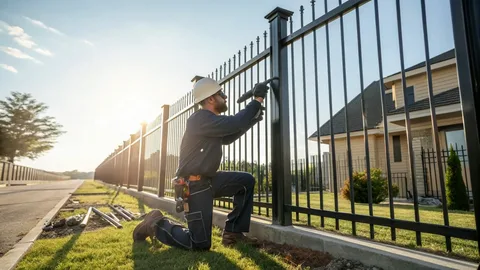
If you go with Expert Commercial Security Fencing in Cypress, TX, your installer should handle all this paperwork. We do it for every client because nobody has time to chase down city offices.
Mistake 3: Forgetting About Gate Access
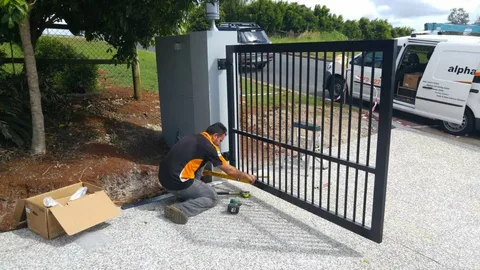
The fence is only part of the system. The gate is where most security failures happen.
Common gate mistakes include:
- No keypad or card reader for staff
- One gate for all traffic types (employees, deliveries, visitors)
- No emergency exit option
- No camera coverage at the entrance
A good commercial setup has separate entry points for staff, deliveries, and visitors. Each with its own access control. This way a delivery driver can drop off a package without getting into the main parking lot.
Mistake 4: Going Too Cheap
We get it. Budgets are tight. But going with the cheapest bid almost always backfires.
Here’s a quick chart we share with new clients:
| Cost Level | What You Get | Long-Term Value |
| Cheap Quote | Thin materials, basic install, no warranty | 2-4 year lifespan, lots of repairs |
| Mid-Range | Solid materials, proper install, basic warranty | 8-12 year lifespan, low upkeep |
| Premium | Heavy-duty steel, anti-climb features, full warranty | 20+ year lifespan, almost zero repairs |
Most businesses are best served by mid-range fencing. The cheap stuff falls apart in Texas weather. The premium stuff is overkill for most properties.
A study from the National Institute of Justice found that proper commercial fencing reduces break-in attempts by 73% compared to weak or absent perimeter security. That’s a huge return on a one-time spend.
Mistake 5: Skipping the Site Visit Before Buying
This one drives us nuts. Some business owners get quotes over the phone or by email, never letting the installer see the actual property.
Then the install day arrives and the crew finds:
- Buried utility lines they didn’t know about
- Rocky soil that needs special drilling
- Tree roots blocking the fence line
- Slopes that need extra bracing
These surprises cause delays and surprise costs. Always have a proper site visit before any contract gets signed.
A Quick Story From a Cypress Client
Last fall, a warehouse owner near Cypress called us in a panic. He had hired the lowest bidder six months earlier. The fence was already leaning. The gate motor had died twice. The chain link had gaps a kid could squeeze through.
He showed us the contract. The original install used thin 11.5-gauge chain link instead of the heavier 9-gauge his business needed. The posts were spaced 12 feet apart instead of 8. Half the install wasn’t even up to code.
We tore the whole thing out and started fresh. The full cost ended up being almost double what a proper install would have been the first time. Painful lesson, but he’s now got a fence that’ll last 20 years.
Mistake 6: Forgetting About Visibility
Some businesses go too far with privacy and block all sightlines into the property. That sounds good for security, right? Wrong.
Police and security cameras need to see your property from the outside. Total privacy fencing creates blind spots where someone can hide for hours.
The smart move is a fence that’s hard to climb but still allows clear sightlines. Ornamental iron and welded wire work great for this. Solid wood or stone fencing can become a security weakness if not done right.
Mistake 7: No Maintenance Plan
A commercial fence isn’t a one-and-done thing. It needs care over the years to stay strong.
Basic maintenance includes:
- Yearly check of every post for stability
- Touch-up paint on iron or steel sections
- Lubrication of gate hinges and motors
- Tightening of hardware after Texas storms
- Camera lens cleaning every few months
Many fence companies offer maintenance plans for $200 to $500 per year for commercial sites. This is way cheaper than emergency repairs after a storm or break-in attempt.
Mistake 8: Not Thinking About the Future
Your business will change. Maybe you’ll add a building. Maybe you’ll expand the parking lot. Maybe you’ll add new equipment that needs extra security.
Plan your fence with future growth in mind. Leave room for:
- Additional gates
- Camera mount points
- Lighting upgrades
- Extension to new property areas
- Adding higher security zones inside the perimeter
A fence that grows with your business saves you from full replacements later.
Mistake 9: Ignoring Lighting
A fence in the dark is half useless. Most break-in attempts happen at night when visibility is low.
Pair your fence with:
- Motion-activated lights along the perimeter
- Wall-pack lights at gate entrances
- Solar-powered path lights along the fence line
- Backup lighting for power outages
This combo turns your fence into a real security system, not just a barrier.
Conclusion
A commercial security fence is one of the biggest investments you’ll make in protecting your business. Doing it right the first time saves you from costly repairs, fines, and break-in losses down the road. From picking the right materials to planning gate access to skipping the cheapest bid, every choice matters. We’ve helped business owners across Cypress put up fences that hold strong for decades. If you want a team that handles Custom Fence Design and Installation in Cypress, TX with honest advice and quality work, give us a call.
FAQs
How tall should a commercial security fence be? Most commercial fences run between 6 and 10 feet tall in Cypress. Anything shorter is too easy to climb. Anything taller usually needs special permits and may not match the look of nearby properties. We help you pick the right height for your security needs and local rules.
How long does a commercial fence install take? Most jobs take 1 to 3 weeks from start to finish for a standard site. Bigger properties or custom designs can stretch to 4 to 6 weeks. We give you a clear timeline before signing the contract so you can plan around the work.
Do I need cameras on my commercial fence? Cameras aren’t required but they make a huge difference. A fence with cameras and lights catches break-in attempts that a basic fence would miss. Most business owners we work with add at least 4 to 8 cameras around the perimeter.
What’s the best material for a commercial fence in Texas weather? Galvanized steel and powder-coated aluminum hold up best against Texas heat, humidity, and storms. Wood looks nice but rots faster in our climate. Chain link with vinyl coating works well for budget jobs and lasts 15 to 20 years.
Can I finance a commercial fencing project? Yes, many fence companies offer payment plans for bigger commercial jobs. We work with a few financing partners that handle commercial property improvements. We can talk through your options during our first site visit so you know what fits your budget.