Professional Fence work starting in Houston? Look at prices for wood next to vinyl, then aluminum beside wrought iron. Permit details live here too, along with what contractors usually suggest.
A boundary isn’t just about lines on a map. Privacy takes shape when tall panels block wandering glances, giving families room to breathe outside. Little ones and furry friends stay contained, moving freely without reaching the street. First impressions matter – neat edges and steady posts catch attention, even if no one says why. Down here in Houston, rain pours hard nearly every year, damp air clings for stretches at a time, so weak structures start sagging before long, wood softens too fast, frames twist out of place.
Reasons Houston homeowners install and fix fences
Fences go up – or get repaired – mostly because folks want more seclusion. Protection plays a role too, keeping things out or holding them in. Then there’s the effect on how much the place might sell for down the line.Top Fence work starting in Houston
What pushes things forward? Privacy does. That one thing matters most. It leads to every move made. Nothing else steps up like it
Backyards in Houston often feel cramped due to tightly packed neighborhoods. Yet a six-foot barrier made of sturdy material creates room to relax unseen. Studies from trade groups suggest strong fencing may recover nearly seven out of ten dollars spent when selling. People looking for houses tend to view it as complete, not something needing work later.
Protection matters too.
Fences hold pets inside while keeping outsiders away, also protecting pool zones. When hurricanes like Harvey hit, plenty of Houston residents discovered too late how useless flimsy fencing really is. What separates a sturdy barrier from broken scraps often comes down to what it’s made of, along with how deep the posts go.
Fixing things comes up too
When rain hits Houston’s ground, the dirt swells up. Then it dries out, pulls back down again. This push and pull tugs posts sideways over time. Moisture hangs heavy in the air here, so wood drinks it in like a sponge. That damp eats away at the bottom of each post bit by bit. One local builder said his phone rings off the hook come September. Summer baking and storm soaking leave fences wobbling just when people notice.
Fence Materials That Handle Houston’s Heat and Rain
Some materials stand up better than others when facing Houston’s sticky air, scorching sun, and sudden downpours. Picking one shape-shifts your wallet strain, upkeep rhythm, and repair visits without warning.
Among materials, wood stands out by tradition alone
Cedar holds up against decay without help, while pine treated under pressure fights moisture too – but it asks for stain every couple of years in Houston’s shifting weather. Though cheaper at first, that pine won’t dodge damage forever. Humidity swings wear on it, especially where the wood meets soil. Left alone, cedar can stand strong for fifteen to two decades. The softer pine? Maybe a dozen years, if luck leans close. Rot shows up sooner when dampness hugs the base again and again.Trusted Fence work starting in Houston
These days, more people are choosing vinyl.
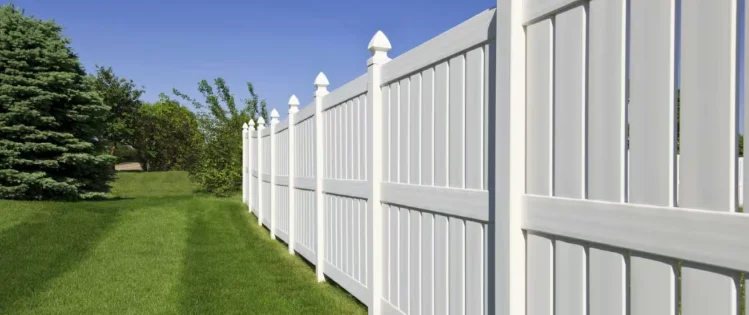
Hosing it down keeps things clean, no paint required, resists rot too. Sunlight and high temperatures can make it snap – that’s the weak point. Low-end versions go powdery, split apart after just a couple of hot Texas summers. Better-grade stuff fights sun damage thanks to special additives; pricier at first, yet saves effort later.
Built tough, wrought iron brings a quiet grace. Strength shows up in its frame, while style slips through every curve
Wind moves right through it, so performance beats solid panels. Rust shows up fast under Houston’s damp skies if left uncoated. Choose galvanized or powder-coated steel – anything less won’t last.
Steps in fence installation or repair
Parking nearby, you might think it’s straightforward – yet choices behind the scenes decide if that fence stands through half a decade or outlasts two decades.
Out front, the worker chalks where pipes run. Later comes digging
Before any shovel breaks soil in Texas, folks dial 811 – just to be sure. Underground lines get marked at no cost, because rules say so. A missed call might mean striking something dangerous, like gas. No fee stands in the way, yet ignoring this could spark trouble.
Fence posts find their spots after careful measuring. The layout takes shape once distances are marked on ground
Every few paces along the line, markers go in – six to eight feet apart – with extra care near turns and entry points. Down in Houston, the ground shifts; thick clay heaves in rain, so posts sink low to stay put when winds pull overhead. Most seasoned builders drop each one two feet into earth, a small layer of stone tucked under the base so damp stays down, away from timber that might weaken if soaked too long.
Fresh builds start with hole digging, right where posts will stand. Concrete gets poured around each one, left alone until fully hardened. After that comes the rail work – fixed before any pickets show up. Panels snap into place instead of slats when preferred. Bottom barriers block rot by lifting uprights above wet soil. Last job? Swinging gates home using tough metal joints so they stay straight.
Repair work varies.
A shaky post often sits better when set into new concrete. Some weathered slats are swapped out, colored to blend with the old finish. When over three tenths of the barrier shows wear, swapping the whole thing tends to run cheaper per unit than fixing pieces.Right Fence work starting in Houston
A shaky pine fence stood in one Heights backyard until storms shook it further. Bad water flow had eaten away at three support beams underground. New thick wooden posts went in, anchored on stone and wet cement. A barrier against decay slipped between wood and soil. Twenty slats got swapped out under a clear morning sky. Eight more years of standing tall came from eight hundred fifty dollars spent. Fence lines held firm again without fuss.
Factors Behind Fence Pricing in Houston
Price shifts come from a mix of hidden influences. What changes the total? Hidden details behind each step. A few unseen pieces add weight. Some parts pull higher without notice. Others quietly bring it lower. Every detail counts, even when silent.
Material is the biggest variable.
Priced at just fifty percent of cedar, pine shows clear savings. Aluminum may cost less than wrought iron, yet the second material demands twice the budget. When enclosing one hundred fifty feet, differences add up – two thousand dollars might vanish fast.
Fine particles in the ground under Houston bring extra expenses. Hidden charges pop up because of how the earth behaves there
Heavy clay under the city makes shoveling hard, moves when wet. Patches of stones or hidden roots drag work down – sometimes calling for motor drills that tack on fifty to two hundred dollars a post. When land tilts, fences follow steps or angled frames, pushing effort up one and a half to three tenths more. Fence posts sink deeper where the ground won’t sit still.
Height matters.
A short fence out front might save money when compared to taller backyard versions. Taller still, like eight feet high, means spending extra on heavier posts that go further into the ground. When building above eight feet in Houston, rules kick in – licenses are needed, pushing total expenses up by thirty three to one hundred fifty dollars.
Gates are expensive.
A basic walk gate might cost between 250 and 500 dollars. When it’s two parts wide for a driveway, prices climb – reaching up to nearly a thousand. If you add automation with an opener system, expect numbers starting around twelve hundred, going high as five grand.
Fence taken out already? That runs between two and six dollars each foot. Living near water means rules kick in – Harris County could require a permit for building there, even if the barrier barely rises off the ground.
Choosing a Fence Contractor in Houston
This one counts. If done poorly, posts tilt, spaces appear at the bottom, while damp sets in fast.
Begin by tapping into what people nearby already understand
Deep post holes matter because Houston’s sticky dirt shifts when wet. Gravel at the base helps water move away, stopping wood from soaking too long. Wind pushes hard sometimes so sturdier frames stay standing longer. Rot resists better when materials are picked with damp air in mind. Local crews spot problems before they start just by knowing how things behave here. Permits go smoother since rules differ block by block across the city. Experience shows what cracks, warps, or rusts after years of summer heat and sudden downpours.
A good place to start? Look into licenses and coverage. Though Texas has no rule about contractor permits for fencing, trustworthy firms still hold liability plus worker injury protection. Request documentation before moving forward.
Check how they manage permits.
Fences made of wood, vinyl, or metal up to 8 feet tall usually skip permit requirements in Houston. Yet masonry walls require one every time. If your land sits in a floodplain, permission comes from the county instead. Someone experienced with local contractors can tell what applies and takes care of forms without confusion.
Ask about warranties.
Lifetime coverage shows up with top vinyl, while pine makes do with a decade. A full year of labor protection is the bare minimum to expect. Written proof? That needs to land on paper without fail.
Start by checking what they’ve done before
Maybe take a drive past some fences they’ve already put up. Look closely at whether things line up, if the gates sit snug, how evenly the posts stand. Find out when those fences went in – how many years back.
A person fixing just fences in Houston – JB Fences, say – has likely dealt with city paperwork already. Humid air, downpours – they’ve seen what survives such weather. Materials matter here. Insurance? They keep it current; many odd-job workers do not. Experience shapes these choices.
Start by gathering three separate quotes on paper
A single estimate might miss hidden expenses. Watch for numbers that look suspiciously small. Those frequently ignore drainage gravel, rely on undersized posts, or drop the rot board entirely. Every quote ought to split out material, work, disposal, and permits.
Conclusion
A solid barrier around your place pays off over time, shielding life inside while lifting worth. Step one – pace the edges of your land, asking what matters more right now: keeping eyes out, holding intruders back, or making the front look sharp. After that, reach out to builders nearby who’ve worked with Houston dirt and heat before they give price guesses.
Frequently Asked Questions
Fence going up in Houston? Might require approval first.
Fences shorter than eight feet at homes usually skip the paperwork if built from wood, vinyl, or metal. When it comes to brick or concrete barriers, though, red tape is unavoidable
What fence material lasts longest in Houston’s humid climate?
Years tick by – vinyl plus aluminum hold strong, needing little care. Through two decades or more, they stand up well. Now cedar? It tags along fifteen to twenty years, but only when someone keeps sealing it now then
How deep should fence posts be set in Houston?
Buried deep, posts need a 24-inch drop into concrete. Gravel sits below for runoff control. Wind can’t lift them easily when set this far down. Clay shifts often, but the depth holds things steady.
Is fixing my fence an option rather than putting up a new one?
Fence still mostly intact? That means under a third broken. Leaning posts get straightened first. Rotten slats come out, new ones go in their place. Saggy gates lift back up, hinges tightened. Most issues like these can pull through without full replacement
How does Houston’s clay soil affect fences?
When rain soaks the ground, clay swells, then tightens again as it dries – this push and pull nudges posts sideways over time. A solid base made of thick stone layers plus foundations set well below frost level keeps them steady.
What is the cheapest fence option in Houston?
Starting at ten bucks a foot, chain-link keeps prices low yet leaves views wide open. Privacy comes later, when pressure-treated pine enters – priced between twenty and twenty-nine dollars each foot, it blocks sight without breaking budgets.
How often should I stain or seal a wood fence in Houston?
Twice a decade, maybe three times, if you’re working with pine. Cedar can go a bit longer – up to four cycles between treatments. Moist air sticks around here. Sunlight hits hard. Both wear out shields on wood quicker than places where rain stays away. Coatings fade fast when wetness never leaves.
Will a new fence increase my home value?
Fences might boost your home’s worth by as much as 70 percent, studies suggest. Because they offer seclusion, privacy styles tend to lift prices more than open mesh types.Affordable Fence work starting in Houston
How long does fence installation take?
Most homes get done in two or three days. When the place is big, or the metalwork special order, it might stretch into seven. Fixing small things? That usually wraps up before the sun sets.
Should I share fence costs with my neighbor?
Fences along property lines often get paid for by both sides, even though Texas doesn’t force anyone to chip in. A paper signed by both parties is what makes cost sharing mandatory, nothing else
Fences shorter than eight feet at homes usually skip the paperwork if built from wood, vinyl, or metal. When it comes to brick or concrete barriers, though, red tape is unavoidable
Years tick by – vinyl plus aluminum hold strong, needing little care. Through two decades or more, they stand up well. Now cedar? It tags along fifteen to twenty years, but only when someone keeps sealing it now then
Buried deep, posts need a 24-inch drop into concrete. Gravel sits below for runoff control. Wind can’t lift them easily when set this far down. Clay shifts often, but the depth holds things steady.
Fence still mostly intact? That means under a third broken. Leaning posts get straightened first. Rotten slats come out, new ones go in their place. Saggy gates lift back up, hinges tightened. Most issues like these can pull through without full replacement
When rain soaks the ground, clay swells, then tightens again as it dries – this push and pull nudges posts sideways over time. A solid base made of thick stone layers plus foundations set well below frost level keeps them steady.
Starting at ten bucks a foot, chain-link keeps prices low yet leaves views wide open. Privacy comes later, when pressure-treated pine enters – priced between twenty and twenty-nine dollars each foot, it blocks sight without breaking budgets.
Twice a decade, maybe three times, if you’re working with pine. Cedar can go a bit longer – up to four cycles between treatments. Moist air sticks around here. Sunlight hits hard. Both wear out shields on wood quicker than places where rain stays away. Coatings fade fast when wetness never leaves.
Most homes get done in two or three days. When the place is big, or the metalwork special order, it might stretch into seven. Fixing small things? That usually wraps up before the sun sets.
Fences along property lines often get paid for by both sides, even though Texas doesn’t force anyone to chip in. A paper signed by both parties is what makes cost sharing mandatory, nothing else