
Get structural welding in River Oaks, TX for steel frames, repairs, reinforcement, custom fabrication, mobile welding, and durable commercial metalwork.
Strong metal structures depend on material preparation, alignment, loads, and welding technique. Structural welding can support gates, railings, stairs, frames, carports, canopies, equipment supports, and other metal components.
JB Fences provides fencing, automatic gates, structural welding, carports, canopies, metal stairs, and custom metalwork in the Houston area. A successful project starts by identifying the metal, the component’s function, and whether the work requires fabrication, repair, reinforcement, or replacement.
What Professional Structural Welding Includes
Professional structural welding services can involve new fabrication as well as repairs to existing metal structures. The work may include steel frames, gate structures, stair components, railings, supports, brackets, carports, canopies, and other custom metal assemblies.
Before welding begins, the metal should be evaluated for damage, corrosion, contamination, alignment, and access. A cracked connection may need more than a new bead over the visible surface. The cause of the failure should be considered so the repair does not simply recreate the same weak condition.
Depending on the project, technicians may cut, fit, grind, align, reinforce, weld, and finish the metal before completing a final visual check. The right process depends on material, thickness, joint design, and intended use.
Structural Welding in River Oaks, TX
Property owners considering structural steel welding in River Oaks, TX may need help with custom metalwork, reinforcement, gate frames, railings, carport components, stairs, or other welded structures.
The first step should be identifying the purpose of the component and the reason work is needed. A new fabrication project requires accurate measurements and careful fit-up, while an existing structure may require inspection for cracks, rust, movement, or previous repairs.
For visible architectural metalwork, appearance also matters. Welds may need grinding, smoothing, coating preparation, or other finishing so the repaired area blends with the surrounding structure. Functional strength should still come first, but neat workmanship can improve the finished presentation.
Why Joint Preparation Matters
A weld is only as reliable as the condition of the materials being joined. Paint, rust, oil, dirt, scale, and damaged metal can interfere with preparation and make it harder to create a consistent connection.
Technicians may need to clean or grind the joint area before welding. Edges may also need to be shaped or beveled depending on thickness and connection design.
Fit-up is equally important. Large gaps, poor alignment, or unstable parts can make welding more difficult and may introduce unnecessary stress into the finished assembly.
Good preparation takes time, but it reduces the chance that a repair becomes a short-term patch. Property owners should expect the contractor to examine the surrounding metal instead of focusing only on the visible crack.
Steel Fabrication and Welding for Custom Projects
Steel fabrication and welding combines measuring, cutting, forming, fitting, and joining metal to create a finished component or structure. It is useful when standard off-the-shelf parts do not match the property or project requirements.
Custom fabrication may be used for gate frames, support brackets, handrails, stair frames, equipment platforms, carport components, or decorative metal details.
Accurate measurements are critical because small errors can create misalignment during installation. Fabricators should also consider how the completed component will connect to existing concrete, posts, walls, frames, or other metalwork.
A strong fabrication plan considers both the shop work and the final installation. The part should not only look correct on the fabrication table; it also needs to fit the site and function properly once installed.
Structural Welding Repairs for Cracked Metal
Cracks can develop around high-stress areas, hinges, brackets, corners, joints, or components exposed to repeated movement. Simply welding across the visible crack may not be enough if the surrounding metal remains weak or misaligned.
Professional structural welding repairs should begin by examining how the damage occurred. Excessive loading, corrosion, vibration, poor support, impact, or an older failed weld may all contribute.
The damaged area may need cleaning, grinding, realignment, reinforcement, or replacement of weakened material before a new weld is completed.
After repair, the component should be checked for normal movement and loading. Gate frames, for example, should remain aligned so hinges and operators are not forced to compensate for a structural problem.
Mobile Welding for On-Site Repairs
Some metal structures are too large, fixed, or inconvenient to transport to a shop. Mobile welding services allow technicians to bring equipment to the property for appropriate on-site work.
This approach can be useful for gates, railings, carports, metal frames, stairs, supports, fences, and other installed components. The work area still needs enough safe access for equipment, sparks, heat, and material handling.
Before the appointment, property owners should clear nearby combustible items and provide access to the affected structure. Vehicles, stored materials, landscaping items, or furniture may need to be moved depending on the location.
On-site welding can reduce dismantling, but it should still follow the same attention to preparation, fit, alignment, and finished strength as shop fabrication.
Welding Different Types of Metal
Structural projects may involve carbon steel, stainless steel, aluminum, or other metals. These materials do not all behave the same way during welding.
Material identification matters because filler selection, preparation, heat input, and welding process can vary. Aluminum, for example, responds differently to heat than common structural steel. Stainless steel also has different preparation and contamination concerns.
A contractor should know what material is being repaired or fabricated before choosing the welding approach.
Mixed-metal assemblies require additional planning because different metals can react differently outdoors or when exposed to moisture. Coatings, isolation methods, fasteners, and finishing may all influence long-term performance.
Choosing the right process for the actual material helps protect both the welded connection and the surrounding component.
Commercial Welding Services in Houston, TX
Businesses looking for commercial welding services in Houston, TX may need fabrication or repair for metal stairs, railings, equipment supports, gates, frames, carports, canopies, or other structural and architectural components.
Commercial projects often involve coordination with property managers, contractors, employees, and customers. Access, work hours, safety zones, and operational disruption may influence when the welding can be completed.
For repairs, managers should document when the damage appeared and whether the component has continued moving or deteriorating. For new fabrication, accurate drawings, measurements, and installation conditions should be reviewed before materials are cut.
A clear scope helps the welding contractor understand whether the priority is reinforcement, replacement, fabrication, alignment, appearance, or a combination of these needs.
Gate Welding and Structural Reinforcement
Metal gates experience repeated movement, wind, impact, hinge loads, and operator forces. Over time, frames can sag, joints can crack, hinges can loosen, or support posts can shift.
Welding repairs may involve reinforcing the frame, repairing cracked joints, replacing damaged brackets, or correcting areas around hinges and latch points.
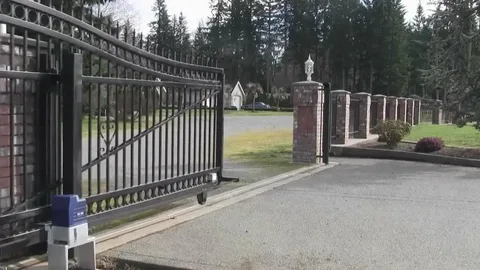
Automatic gates require additional attention because structural misalignment can place unnecessary strain on motors, rollers, tracks, or operators. Mechanical equipment should not be expected to overcome a gate frame that drags or twists.
Before repairing a gate, the contractor should evaluate the complete structure. Correcting the weld without addressing a bent frame or unstable support may leave the gate operating poorly even after the metal repair is complete.
Carport and Canopy Welding
Carports and canopies use welded frames to support roofing or shade structures over vehicles, entrances, patios, or work areas. These frames need consistent alignment and secure connections because they remain exposed to outdoor conditions.
When repairs are needed, technicians should inspect the affected joint as well as nearby metal for rust, deformation, or loose connections. A visibly cracked weld may be only one part of a larger stress problem.
New fabrication should consider column locations, roof framing, attachment points, clearance, and how water will drain from the finished structure.
Property owners should also plan coatings or finishes after welding. Bare steel left exposed can begin corroding, so surface protection is an important part of long-term care.
Metal Stair and Railing Welding
Stairs and railings are safety-related components that deserve careful attention when damage appears. Loose railings, cracked welds, bent brackets, or movement at stair connections should not be ignored.
A welding contractor may need to repair joints, reinforce supports, replace damaged sections, or fabricate new pieces that match the existing assembly.
Measurements are especially important for stair work because uneven geometry can affect fit, clearances, and alignment.
Decorative finishing should never hide a weak connection. The structural repair should be completed first, followed by grinding, smoothing, coating preparation, or painting as appropriate.
Property owners should also avoid continuing to use a visibly unstable stair or railing until the condition has been properly evaluated.
When Reinforcement Is Better Than a Simple Repair
Some damaged metal components need additional support rather than only a replacement weld. Reinforcement may involve plates, gussets, brackets, additional framing, or redesigned connections.
This approach can be useful when the original joint repeatedly fails or when the load has changed since the structure was first built.
Reinforcement should be planned carefully. Adding steel in the wrong place can move stress into another weak area instead of solving the underlying problem.
A qualified welder or fabricator should consider how forces move through the complete structure before deciding where additional material belongs.
The objective is not to make one spot as thick as possible. It is to restore a balanced, secure load path that allows the component to perform its intended function.
Questions to Ask Before Hiring a Welding Contractor
Before approving structural welding work, ask clear questions about the project.
Useful questions include:
- What caused the existing damage?
- Which metal is being welded?
- Does damaged material need removal?
- Is reinforcement recommended?
- Can the work be completed on site?
- How will surrounding surfaces be protected?
- Will the component need realignment?
- What finishing or coating is included?
- How will the repaired area be checked?
- Is replacement more practical than repair?
Clear answers help property owners understand whether the proposal addresses the actual condition rather than covering the visible symptom.
Conclusion
Structural welding can restore damaged metal, strengthen existing assemblies, and create custom components for residential, commercial, and industrial properties. Reliable results depend on material identification, joint preparation, alignment, welding technique, reinforcement decisions, and appropriate finishing.
Property owners should avoid treating every crack as a simple surface repair. The cause of damage matters, especially around gates, stairs, railings, carports, canopies, and heavily loaded frames.
Professional evaluation helps determine whether the best solution is welding, reinforcement, fabrication, partial replacement, or a completely new component.
With careful planning, accurate fit-up, sound welding, and suitable corrosion protection, metal structures can remain functional, secure, and visually consistent with the surrounding property.
Frequently Asked Questions
What is structural welding used for?
Structural welding joins or repairs metal components that support functional loads. Common examples include frames, gates, stairs, railings, carports, canopies, brackets, supports, and custom fabricated metal assemblies.
Can cracked metal always be welded?
Not always. The surrounding metal must be evaluated for corrosion, deformation, thickness, and the cause of failure. Severely weakened material may need partial replacement instead of a simple weld repair.
What metals can be used for structural welding?
Projects commonly involve carbon steel, stainless steel, and aluminum. The correct welding process, filler material, preparation, and heat control depend on the specific metal and project requirements.
Can structural welding be done at my property?
Many repairs and fabrication tasks can be completed with mobile welding equipment when the work area provides suitable access and safe conditions. Some projects may still require shop fabrication.
Why does a repaired weld sometimes crack again?
Recurring failure can result from misalignment, excessive movement, corrosion, inadequate support, repeated impact, or a design issue. The underlying cause should be addressed before the connection is repaired again.
When should I replace metal instead of repairing it?
Replacement may be more appropriate when corrosion is extensive, the material is badly distorted, several repairs have already failed, or the remaining base metal cannot provide a reliable connection.