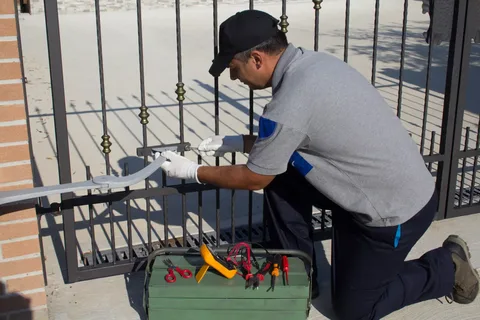

Planning fence installation in Humble, TX? Learn about materials, layout, repairs, security, maintenance, and when professional fencing help makes sense.
What Should You Consider Before Installing a New Fence?
A new fence can improve privacy, define property boundaries, increase security, and change the overall appearance of an outdoor space. However, a successful installation involves more than choosing a fence style and placing posts around the yard. Property layout, material selection, gate placement, ground conditions, drainage, long-term maintenance, and the intended purpose of the fence should all be considered before work begins.
JB Fences provides fencing, automatic gate, welding, carport, canopy, and related metalwork services for residential and commercial properties in the Houston-area market. Its website lists Humble and Pearland among its service areas.
Taking time to plan these details can help create a fence that works with the property instead of becoming an obstacle to everyday use.
Start by Deciding What the Fence Needs to Do
The right fence depends heavily on its purpose.
Some homeowners primarily want privacy around a backyard or patio. Others need a secure perimeter for pets, children, equipment, parking areas, or commercial property. A decorative front-yard fence may prioritize appearance and visibility, while a pool enclosure has different functional considerations.
Before choosing materials, decide what you expect the fence to accomplish.
Important questions include:
- Do you need full or partial privacy?
- Is security the main concern?
- Will pets or children use the enclosed area?
- Does the property need controlled vehicle access?
- Is appearance more important than complete screening?
- How much maintenance are you comfortable performing?
- Will the fence connect to an automatic or manual gate?
- Are there slopes, trees, utilities, or other obstacles along the fence line?
Answering these questions early makes it easier to compare fencing materials and layouts.
Choosing the Right Fence Material
Professional fence installation and repair services can include wood, chain link, metal, pool fencing, and custom fence solutions. The company’s service page specifically discusses wood privacy fencing, chain link fencing, pool barriers, and custom designs.
Each material offers different advantages, so the best choice depends on how the fence will be used.
Wood Fencing for Privacy
Wood fencing is commonly chosen for residential yards because it can create a solid visual barrier while giving outdoor spaces a warm, traditional appearance.
Privacy fences can be useful around:
- Backyards
- Patios
- Outdoor living areas
- Pools
- Side yards
- Residential property boundaries
Wood does require ongoing attention. Moisture, ground contact, hardware condition, and finish deterioration can influence how the fence performs over time.
Posts and structural components are especially important because a visually attractive fence will not remain dependable if its support system begins moving or leaning.
Chain Link Fencing for Practical Security
Chain link fencing can be useful when property owners need a clear boundary without completely blocking visibility.
It may work well for:
- Residential side yards
- Pet enclosures
- Commercial properties
- Storage spaces
- Equipment areas
- Larger property boundaries
Because chain link fencing is open, wind can move through the fence rather than placing the same pressure on a solid privacy panel.
Proper post spacing, tension, gate alignment, and secure connections remain important for long-term stability.
Metal Fencing for Strength and Appearance
Metal fences can provide a combination of security and architectural appeal.
Wrought-iron-style and modern metal designs are often used around:
- Front yards
- Driveways
- Entryways
- Commercial properties
- Decorative landscapes
- Pools
- Gates
Metal fencing should be planned around the property’s style while also considering exposure to moisture, hardware condition, coatings, and future maintenance.
Custom fabrication can also help when standard panels do not suit the property’s dimensions or design.
Why Fence Layout Matters Before Installation
Fence placement should be planned carefully before holes are dug or posts are installed.
A fence line needs to work around the existing property layout, including driveways, sidewalks, landscaping, buildings, utility areas, and access points.
Poor placement can create problems later.
For example, a gate positioned too close to a parked vehicle may be difficult to open. A fence installed without considering drainage could interfere with water movement. Landscaping may become difficult to maintain if fence panels are placed too close to trees or structures.
Homeowners considering fence installation in Humble, TX can benefit from reviewing the entire property layout before selecting the final fence route. The Humble service page lists wood, chain link, wrought iron, metal fencing, gates, and custom ironwork among the company’s local offerings.
Careful planning can reduce the need for awkward adjustments after construction begins.
Why Fence Posts Are Critical to Long-Term Stability
Fence panels receive much of the visual attention, but posts form the structural foundation of most fencing systems.
If posts move, lean, rot, corrode, or become loose in the ground, the surrounding fence sections may eventually shift as well.
Post installation should consider:
- Fence height
- Fence material
- Panel weight
- Soil conditions
- Gate locations
- Wind exposure
- Spacing between supports
Solid privacy fences can experience substantial wind pressure because air cannot easily pass through the panels. That makes secure support especially important.
Large gates also place additional stress on adjoining posts and hinges, so gate-support areas may require different planning than standard fence sections.
Think About Gate Placement Early
A gate should not be treated as an afterthought.
Homeowners should decide how people, vehicles, lawn equipment, trash containers, and maintenance crews will move through the fenced area.
A narrow pedestrian gate may work for everyday foot traffic but become inconvenient when larger equipment needs backyard access.
Driveway gates require additional planning because vehicle movement, opening direction, available clearance, hardware, and automation may all influence the design.
Consider where gates will be positioned before finalizing post locations.
Good gate planning can improve both security and convenience.
Pool Fencing Requires Careful Planning
A pool fence serves a different purpose from a standard decorative yard fence.
Its primary role is to create a controlled barrier around the swimming area. Gate placement, closure, locking hardware, fence spacing, and access should therefore be considered carefully.
Local regulations and property-specific requirements can vary, so homeowners should confirm applicable rules before installation rather than relying on general assumptions.
Even when appearance matters, function and secure access should remain central to the design.
What Causes an Existing Fence to Lean?
A leaning fence does not always mean that every section needs replacement.
The problem may begin with one or more posts.
Common contributing factors can include:
- Deteriorated wood posts
- Loose supports
- Ground movement
- Impact damage
- Poor original installation
- Repeated wind exposure
- Water collecting near posts
- Corroded metal connections
Inspect where the movement begins. If the panels remain in good condition but several posts are unstable, targeted repair may be possible.
If deterioration extends through large portions of the fence, replacement may provide a more practical solution than repeatedly correcting individual sections.
Repair or Replace: Which Option Makes More Sense?
Fence repair can be appropriate when damage is localized.
Examples may include:
- One damaged panel
- A loose post
- Misaligned gate hardware
- Limited rust or corrosion
- A broken picket or board
- Small areas of storm or impact damage
Replacement may deserve consideration when deterioration affects a substantial portion of the fence.
Possible signs include:
- Multiple leaning sections
- Widespread wood deterioration
- Extensive corrosion
- Repeated gate alignment problems
- Numerous damaged panels
- Structural movement throughout the fence
- Repairs becoming increasingly frequent
The decision should consider the condition of both the visible fence panels and the supporting components.
How Drainage Can Affect a Fence
Water movement is easy to overlook when planning fencing.
If rainwater repeatedly collects around fence posts, moisture exposure may contribute to deterioration depending on the material and installation.
Fence placement should also avoid unnecessarily blocking existing drainage paths.
Changes to landscaping, patios, driveways, or grading can alter how water moves through a yard. If the fence is being installed as part of a larger outdoor project, consider these improvements together rather than separately.
Good drainage planning can help protect both the fence and nearby landscaping.
Fence Height Should Match the Purpose
Higher is not automatically better.
A backyard privacy fence may need more screening than a decorative front fence. Commercial security fencing may have entirely different priorities.
Fence height influences:
- Privacy
- Appearance
- Wind exposure
- Material requirements
- Structural support
- Sightlines
- Gate design
The finished fence should feel proportional to the property while still accomplishing its primary function.
Homeowners should also verify any applicable property, neighborhood, or local requirements before finalizing dimensions.
How Custom Fencing Can Solve Difficult Layout Problems
Standard fence panels work well on many properties, but some sites require more flexibility.
Custom fencing can be useful when:
- Property lines change direction
- Slopes create uneven sections
- Existing masonry must be incorporated
- A custom gate is required
- Architectural details need to be matched
- Standard dimensions do not fit
- Decorative metalwork is desired
Custom fabrication can also connect fencing with gates, railings, stairs, or other metal features.
Properties are rarely perfectly uniform, so planning around real site conditions usually produces better results than forcing a standard layout into an unsuitable space.
Security Fencing for Homes and Businesses
Security fencing should make property access more controlled without creating unnecessary inconvenience for authorized users.
For residential properties, this can mean securing backyards, side entrances, pools, or driveway access.
Commercial fencing may be used around:
- Parking areas
- Storage yards
- Equipment
- Service entrances
- Property perimeters
- Work areas
Gate location becomes especially important because frequently used entrances need to remain practical while helping control access.
Property owners considering fencing and gate services in Pearland, TX can also evaluate fencing together with automatic gates or custom metalwork when a property requires a more complete perimeter solution. The company’s Pearland page lists fence installation, repairs, automatic gates, and metal fabrication.
Practical Fence Maintenance After Installation
Routine inspection can help identify small problems before they affect larger sections.
Walk the fence periodically and look for:
- Loose boards
- Leaning posts
- Damaged fasteners
- Rust or coating failure
- Gate misalignment
- Loose hinges
- Ground movement
- Vegetation pressing against panels
- Moisture collecting near supports
Keep shrubs and climbing plants under control when they place excessive pressure or retain moisture against fencing.
Gate hardware should also be checked because hinges, rollers, latches, and support posts experience frequent movement.
For wood fencing, maintenance requirements can vary depending on the material and finish. Metal fencing may require attention if protective coatings become damaged and bare metal is exposed.
What Should You Ask Before Hiring a Fence Contractor?
Before installation begins, make sure you understand what the proposed project includes.
Useful questions include:
- What fencing material is recommended for this property?
- How will the fence line be measured?
- What type of posts will support the fence?
- How will gates be positioned and supported?
- How will slopes or uneven ground be handled?
- Will existing fencing need to be removed?
- How will debris be handled?
- Are custom sections required?
- What maintenance will the finished fence need?
- How will repairs be handled if hidden conditions appear?
Clear project details make it easier to compare proposals and understand what you are receiving.
When Should You Schedule Professional Fence Service?
Professional fence evaluation may be useful when installing a new perimeter or when an existing fence begins showing structural problems.
Consider scheduling service when:
- Several fence sections are leaning
- Posts have become loose
- Gates no longer align properly
- Panels are repeatedly failing
- Wood deterioration is spreading
- Metal sections show significant damage
- You need greater backyard privacy
- Property security needs have changed
- You want to add a driveway or automatic gate
- An older fence requires repeated repairs
A professional evaluation can help determine whether targeted repairs, partial replacement, or a complete new installation makes the most sense.
Conclusion
A dependable fence begins with thoughtful planning. Material choice, fence height, post placement, gate locations, drainage, property access, ground conditions, and long-term maintenance all influence how well the finished system performs.
Wood, chain link, metal, pool, and custom fencing each serve different purposes, so homeowners should select a design based on how the property will actually be used rather than appearance alone.
If an existing fence is leaning, deteriorating, or becoming difficult to repair, evaluate the entire structure before deciding between repair and replacement. For new projects, careful measurement and professional installation can help create a secure, attractive property boundary that works with the home’s layout for years to come.
Frequently Asked Questions
What type of fence is best for backyard privacy?
Solid wood privacy fencing is one common option because it limits visibility into the yard. The right choice also depends on maintenance preferences, property design, desired height, and available materials.
Should I repair a leaning fence or replace it?
A localized problem involving one post or section may be repairable. Replacement may be more practical when multiple posts, panels, or structural components have deteriorated across a large portion of the fence.
Why does my fence gate keep sagging?
Gate sagging can result from loose hinges, inadequate support, post movement, excessive gate weight, or hardware deterioration. The supporting post and gate frame should both be checked before adjusting the latch.
How important are fence posts during installation?
Posts are critical because they support the fence panels and gates. Proper spacing, alignment, depth, and stability help the fence withstand everyday use and environmental exposure.
Can I combine a new fence with an automatic driveway gate?
Yes. Fencing and driveway gates can be planned together so the gate opening, support posts, vehicle clearance, access control, and overall design work as one coordinated system.
When should I call a professional fence contractor?
Consider professional service when installing a new fence, adding a gate, dealing with multiple leaning sections, repairing structural damage, replacing deteriorated fencing, or planning custom metal fence work.