
Get expert fence installation in Humble, TX for privacy, security, curb appeal, and durable property boundaries designed for residential or commercial needs.
A well-planned fence can provide privacy, improve property security, define boundaries, and add visual appeal to a home or business. JB Fences provides fencing and related metalwork services for residential and commercial properties throughout the Houston-area market. The company offers wood, chain link, wrought iron, modern metal, custom fencing, automatic gates, structural welding, carports, and other property improvement solutions.
Choosing a fence involves more than selecting a material and color. Property owners need to consider the purpose of the fence, property layout, terrain, gate placement, drainage, maintenance, and the type of security or privacy required. A fence that looks attractive but is poorly planned may create problems with access, stability, or long-term maintenance.
For property owners in Humble and Pearland, understanding the installation process and available fencing options can make it easier to plan a practical exterior improvement.
Why Professional Fence Installation Matters
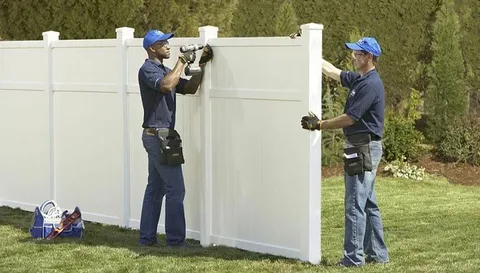
Fence installation affects much more than the appearance of a property’s perimeter. The posts, rails, panels, fasteners, gates, and foundation all need to work together to create a stable structure.
Professional installation begins with evaluating the property and determining how the fence should be positioned. The contractor needs to consider property boundaries, terrain, existing structures, landscaping, driveways, walkways, utilities, and access points before installation begins.
Building a Stable Fence Structure
Fence panels receive most of the visual attention, but the posts are responsible for supporting the system. If posts are improperly positioned or inadequately supported, sections may eventually lean or move.
The correct post spacing and installation method depend on the fence material, height, soil conditions, gate placement, and expected loads.
Heavy gates require particularly strong support because repeated opening and closing can place additional stress on nearby posts.
Creating a Practical Property Boundary
A fence should work with the property rather than make everyday activities more difficult. Gates need to be positioned where people, vehicles, equipment, and maintenance workers can access the property comfortably.
Careful planning before installation can prevent problems such as gates opening into obstacles or fence sections interfering with drainage and landscaping.
Choosing the Right Fence Material
There is no single fencing material that works perfectly for every property. The best option depends on the purpose of the fence, desired appearance, maintenance expectations, budget, and site conditions.
Wood Fencing
Wood fencing is popular for residential properties because it can provide privacy while creating a traditional outdoor appearance. Privacy fences are commonly used around backyards, patios, side yards, pools, and outdoor living areas.
Wood can be customized in terms of height, board arrangement, and finish. However, it requires attention to moisture, surface condition, hardware, and structural components over time.
Chain Link Fencing
Chain link fencing can provide practical property separation and security while maintaining visibility. It may be useful for residential yards, pets, utility areas, and certain commercial applications.
Its open design allows air and visibility to pass through, making it different from a solid privacy fence.
Wrought Iron and Metal Fencing
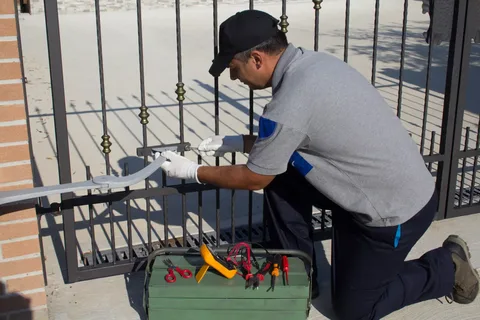
Metal fencing can combine durability with decorative appeal. Wrought iron-style designs can create an attractive perimeter while providing a stronger physical barrier.
JB Fences states that it specializes in wrought iron, metal fencing, custom ironwork, and related fabrication services.
Custom Fencing
Some properties require more flexibility than standard panels can provide. Sloped yards, unusual property layouts, custom gates, architectural features, and specific security requirements may benefit from custom fencing.
Custom design allows the fence to be planned around the actual property instead of forcing a standard layout into a difficult space.
Planning a Fence Before Installation
Good planning can help reduce unnecessary changes after installation begins. A property should be evaluated before the final fence style and route are selected.
Establish the Fence Line
The fence line should be carefully measured and positioned according to the property’s boundaries. Existing buildings, driveways, sidewalks, landscaping, trees, and utility locations should be considered.
Property owners should also confirm any applicable neighborhood, HOA, or local requirements before finalizing the design.
Decide Where Gates Belong
Gate placement should be planned at the same time as the fence rather than treated as an afterthought.
A pedestrian gate may be appropriate for everyday foot traffic, while a wider driveway gate may be necessary for vehicles, trailers, lawn equipment, or other larger items.
Consider Terrain and Drainage
Slopes can affect fence height, panel positioning, and the appearance of the finished installation. A fence line may need stepped or adjusted sections to follow changing grades.
Drainage should also be considered. A fence should not unnecessarily obstruct established water paths or create areas where water repeatedly collects around posts.
Professional Fencing in Humble, TX
Property owners searching for professional fencing in Humble can review JB Fences’ dedicated Humble page, which describes fence installation and repair for homeowners and businesses. The page lists wooden fences, chain link, wrought iron, and modern metal fencing among the available options.
Residential Fence Projects
Residential fencing can serve several purposes. A homeowner may want additional backyard privacy, a secure area for pets, clearer property boundaries, or a more attractive exterior.
The appropriate design depends on the home’s architecture, yard layout, privacy expectations, and maintenance preferences.
A privacy fence may be ideal for a backyard, while decorative metal fencing may be more suitable where visibility and appearance are priorities.
Commercial Fence Projects
Businesses may use fencing to define property boundaries, control access, secure equipment, protect storage areas, or improve the appearance of a commercial property.
Commercial projects can require different considerations because gates may need to accommodate vehicles, deliveries, employees, customers, or maintenance equipment.
Planning access points carefully can help maintain security without making normal business operations inconvenient.
Residential and Commercial Fencing in Pearland
Homeowners and businesses considering residential and commercial fencing in Pearland can find local information on the company’s Pearland page. The page describes fence installation, fence repair, automatic gates, custom welding, wrought iron fencing, and custom metalwork for local properties.
Matching Fence Design to Property Needs
A fence should complement the property while accomplishing its primary purpose. A homeowner focused on privacy may prefer a solid wood design, while a commercial property may require stronger security fencing or controlled vehicle access.
Metal and custom fencing can also combine functional security with a more distinctive appearance.
Integrating Gates With Fencing
Gates should be designed as part of the complete fencing system. The gate opening needs sufficient clearance, while hinges, posts, latches, and other hardware need to support regular use.
For properties requiring controlled vehicle access, an automatic gate can be considered alongside the fence design. JB Fences also lists automatic gate installation and repair among its services.
Understanding the Fence Installation Process
Knowing what happens during installation can help property owners prepare for the project.
Site Assessment
The project generally begins with reviewing the property layout, intended fence purpose, material preferences, access points, and potential obstacles.
Measurements and site conditions help determine the appropriate fence route and installation approach.
Post Installation
Posts provide the structural foundation for the fence. Their positioning and stability influence the alignment and durability of the completed system.
Post depth, spacing, soil conditions, fence height, and gate locations all deserve consideration.
Panels, Rails, and Gates
After posts are established, rails and fence panels or individual boards can be installed according to the selected design.
Gates require additional attention because their weight and movement can place greater stress on supporting posts.
Final Inspection
The completed fence should be checked for alignment, secure connections, gate operation, finish quality, and general workmanship.
The property should also be left reasonably clear of construction debris once the installation is complete.
How to Maintain a New Fence
Even a professionally installed fence benefits from routine inspection and maintenance. The required care depends heavily on the material.
Inspect Posts and Panels
Walk around the fence periodically and look for leaning posts, loose panels, damaged boards, corrosion, or other visible changes.
Catching a small issue early can sometimes prevent more extensive repairs later.
Maintain Gate Hardware
Gates experience frequent movement, so hinges, latches, rollers, and support posts should be checked periodically.
If a gate begins dragging, sagging, sticking, or failing to close correctly, the cause should be investigated rather than repeatedly forcing it shut.
Control Vegetation
Trees, vines, shrubs, and other vegetation can place pressure on fencing or retain moisture against certain materials.
Keeping plants properly managed can help maintain access to the fence and make inspections easier.
Watch for Water Problems
Repeated water accumulation around fence posts can contribute to deterioration depending on the material and installation conditions.
Property owners should monitor areas where drainage changes after landscaping, storms, or other exterior projects.
Repair or Replace an Existing Fence?
Not every damaged fence requires complete replacement. The right choice depends on how extensive the damage is and whether the underlying structure remains sound.
When Repair May Make Sense
Repairs may be appropriate when damage is limited to a few boards, one section, hardware, or an isolated post.
Replacing individual components can sometimes extend the useful life of an otherwise stable fence.
When Replacement May Be Better
Replacement may be more practical when multiple sections are deteriorated, numerous posts are unstable, corrosion is extensive, or repairs are becoming increasingly frequent.
The condition of the supporting structure should be evaluated rather than judging the fence only by its visible panels.
Improving Property Security With Fencing
Fencing can play an important role in controlling access to residential and commercial properties.
Residential Security
A properly positioned fence can help create a defined boundary around yards, pools, side entrances, and other areas.
When combined with appropriate gates, fencing can make it easier to control who enters the property.
Commercial Security
Commercial fencing can help protect equipment, inventory, parking areas, storage yards, and restricted spaces.
Security requirements vary by property, so the fence should be designed around the actual risks and access patterns rather than simply choosing the tallest or strongest available option.
Conclusion
A successful fence installation starts long before the first post is placed. Property owners need to consider the purpose of the fence, material, layout, gate locations, terrain, drainage, maintenance requirements, and long-term use.
Wood, chain link, wrought iron, metal, and custom fencing can each serve different needs. The right choice depends on the property and the goals of the owner.
For properties in Humble and Pearland, careful planning can help create fencing that provides privacy, security, attractive curb appeal, and practical access. Professional installation can also help ensure that posts, panels, gates, and hardware are properly coordinated.
Whether the project involves a residential privacy fence, commercial security perimeter, decorative metal fence, or custom gate system, the finished installation should work naturally with the property.
Regular inspections and timely repairs can then help maintain the fence and extend its useful life.
Frequently Asked Questions
1. What type of fence is best for privacy?
A solid wood privacy fence is a common choice for homeowners who want to reduce visibility into a backyard or outdoor living area. The best option also depends on maintenance preferences, budget, property design, and local requirements.
2. How important are fence posts?
Fence posts are essential because they support the panels and gates. Proper placement, spacing, stability, and installation are important for maintaining a straight and durable fence.
3. Can a fence include an automatic gate?
Yes. Fencing can be designed alongside an automatic gate so the opening, support posts, vehicle clearance, and access system work together.
4. Should I repair or replace an old fence?
If damage is limited, repair may be practical. If multiple sections, posts, or structural components have deteriorated, replacement may provide a more practical long-term solution.
5. What should I consider before installing a fence?
Consider the purpose of the fence, material, height, property boundaries, gate locations, terrain, drainage, maintenance, access requirements, and any applicable HOA or local rules.
6. Does JB Fences provide both residential and commercial fencing?
Yes. JB Fences states that it provides fencing solutions for both residential and commercial properties, including fence installation and repair, wrought iron, metal fencing, automatic gates, and custom metalwork.