Steel structures form the backbone of many residential, commercial, and industrial properties, making high-quality welding essential for safety and long-term performance. Whether constructing a new framework, reinforcing an existing structure, or repairing damaged steel components, structural welding creates strong connections that keep buildings and metal structures stable under daily use. Proper welding techniques ensure every joint can withstand heavy loads, environmental conditions, and years of operation.
JB Fences provides professional welding and fabrication services for projects that require precision, durability, and dependable craftsmanship. From custom steel frameworks to structural repairs, experienced welders carefully evaluate every project to deliver strong and accurate welds that meet the demands of each application.
As Katy, TX continues to experience residential and commercial growth, the demand for professional steel fabrication and structural reinforcement has increased. Property owners, contractors, and businesses rely on skilled welders to complete projects that require accuracy, strength, and lasting reliability.
This article explains the value of professional structural welding services, common structural welding applications, fabrication methods, and why hiring experienced professionals is one of the best investments for any steel construction or repair project.
Understanding Structural Welding
Structural welding is a specialized process used to permanently join steel and other structural metals that support buildings, equipment, stair systems, gates, canopies, and various other metal structures. Unlike basic welding repairs, structural welding focuses on creating joints capable of supporting significant weight while maintaining long-term stability.
Professional structural welding services in Katy, TX require technical knowledge, careful planning, and precise workmanship. Every weld must be completed according to the design requirements of the project while ensuring proper load distribution and structural integrity.
Structural welding is commonly used for:
- Commercial building frameworks
- Residential steel structures
- Structural support beams
- Steel columns
- Metal stair systems
- Gates and fencing
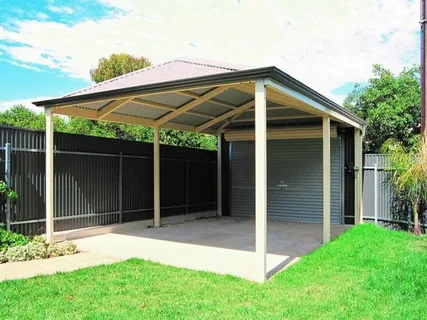
- Carports and canopies
- Industrial equipment supports
Many clients searching for certified welding contractors near me need experienced professionals who understand both fabrication techniques and structural safety requirements.
Benefits of Professional Structural Welding
Choosing professional structural welding provides numerous long-term advantages for construction, renovation, and repair projects.
Exceptional Structural Strength
Proper welding creates permanent steel connections capable of supporting heavy structural loads.
Professionally completed welds improve the stability of buildings, support systems, staircases, platforms, and fabricated metal structures.
Long-Term Durability
Quality welding helps steel structures resist vibration, weather exposure, and continuous daily use.
Strong welds reduce the likelihood of premature failures while extending the service life of the completed project.
Improved Construction Safety
Reliable welded connections help maintain the structural integrity of steel components used throughout residential and commercial buildings.
Professional workmanship minimizes the risk of weak joints that could compromise overall safety.
Flexible Custom Fabrication
Many construction projects require custom steel fabrication and welding in Humble, TX to create components that fit unique architectural or engineering requirements.
Custom fabrication allows steel structures to be manufactured with precise dimensions while maintaining exceptional strength.
Common Applications of Structural Welding
Structural welding supports a wide variety of industries and construction projects.
Commercial Buildings
Steel framing systems rely on structural welding to create stable building frameworks capable of supporting walls, roofs, and upper floors.
Accurate welding is essential throughout every stage of commercial construction.
Residential Construction
Structural steel is increasingly used for modern residential construction, home additions, carports, and outdoor structures.
Professional welding helps ensure these components remain durable for many years.
Gates and Security Structures
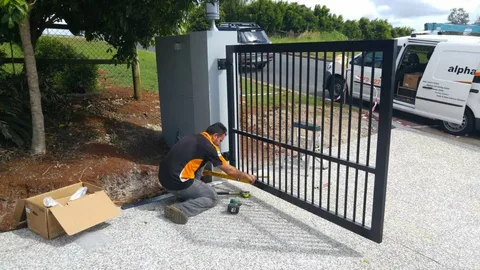
Many custom gates, entry systems, and perimeter fencing require structural welding during fabrication and installation.
Proper welding improves durability while supporting long-term daily operation.
Industrial Facilities
Factories, warehouses, manufacturing facilities, and distribution centers often require structural welding for equipment platforms, steel supports, machinery frames, and facility improvements.
These projects frequently involve industrial metal welding experts capable of handling complex fabrication work.
Why Professional Structural Welding Matters
Structural welding requires specialized knowledge, professional equipment, and practical experience.
Every project involves careful consideration of:
- Material thickness
- Joint design
- Load requirements
- Welding position
- Structural alignment
- Heat control
- Metal compatibility
Professional welders understand how these factors affect the final strength of every welded connection.
Attempting structural welding without proper expertise may result in weak joints, excessive distortion, reduced load capacity, or expensive future repairs.
Professional installation provides greater confidence that each weld will perform reliably throughout the structure’s lifespan.
Structural Welding Methods Used by Professionals
Different projects require different welding techniques depending on the materials and application.
MIG Welding
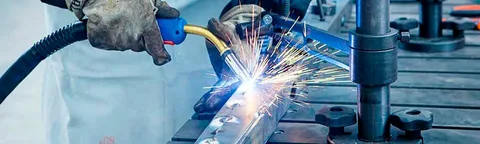
MIG welding is widely used for structural fabrication because it offers efficient production, strong welds, and consistent quality.
It is commonly selected for steel construction and fabrication projects.
Stick Welding
Stick welding performs well on thicker structural steel and outdoor job sites where environmental conditions may affect other welding methods.
Its versatility makes it valuable for structural repairs and heavy-duty fabrication.
TIG Welding
TIG welding provides exceptional precision and clean weld appearance.
Although often used for specialized fabrication, it is also suitable for projects requiring highly accurate metal joining.
Mobile Structural Welding
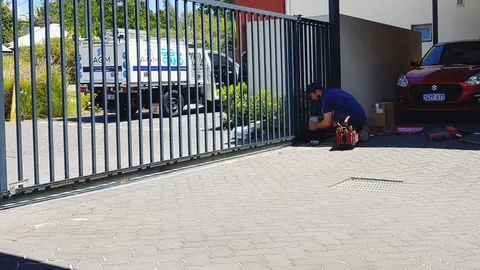
Many projects require mobile welding services near me, allowing experienced welders to complete repairs and structural modifications directly at residential, commercial, or industrial properties.
On-site welding reduces downtime while eliminating the need to transport large steel components.
Professional Structural Welding Process
Every structural welding project follows a carefully planned process to ensure maximum strength, precision, and long-term durability. Professional welders focus on accuracy at every stage to deliver steel structures that perform safely under demanding conditions.
Site Evaluation and Project Planning
The first step is a complete assessment of the project. Welders inspect the existing structure, review design specifications, measure steel components, and determine the most suitable welding method for the job.
Proper planning helps identify material requirements, structural support needs, and any challenges that may affect fabrication or installation.
Preparing the Steel Components
Before welding begins, all metal surfaces must be properly prepared to achieve strong, clean welds.
Preparation may include:
- Removing rust and corrosion
- Cleaning oil and debris
- Grinding uneven edges
- Positioning steel members
- Securing materials for accurate alignment
Thorough preparation improves weld quality and strengthens the finished structure.
Welding and Fabrication
Once preparation is complete, skilled welders join the structural components using the most appropriate welding process.
Projects involving commercial welding and fabrication often require precise fabrication of beams, columns, brackets, supports, and custom steel assemblies before final installation.
Throughout the process, professionals carefully monitor alignment, weld penetration, and overall structural stability.
Final Inspection and Quality Assurance
After fabrication is complete, every welded joint undergoes a detailed inspection.
Technicians verify:
- Weld consistency
- Structural alignment
- Joint strength
- Surface quality
- Overall stability
This final quality check helps ensure the completed structure is safe, durable, and built to perform for years.
Common Structural Welding Repairs
Over time, steel structures may require repairs due to heavy use, weather exposure, accidental damage, or natural wear.
Cracked Structural Welds
Repeated stress or excessive loads may eventually cause welds to crack.
Professional repairs restore the strength of the connection while preventing additional structural damage.
Corrosion and Rust Damage
Moisture exposure can weaken structural steel if corrosion is not addressed promptly.
Removing rust and reinforcing affected areas helps preserve the integrity of the structure.
Damaged Steel Frameworks
Vehicle impacts, severe weather, or construction accidents may bend or damage structural steel members.
Experienced welders can reinforce or replace damaged sections to restore safe operation.
Structural Reinforcement Projects
Many existing buildings and metal structures benefit from additional welded reinforcement during renovations or upgrades.
These improvements increase load capacity while extending the service life of the structure.
Factors That Affect Structural Welding Costs
The cost of structural welding depends on several project-specific factors.
Project Complexity
Simple repairs generally require less labor than custom fabrication or large structural construction projects.
The complexity of the design directly affects labor time and fabrication requirements.
Material Type and Thickness
Different metals and steel thicknesses require different welding techniques, equipment, and preparation.
Heavier structural members typically require more time and specialized expertise.
Fabrication Requirements
Projects involving custom steel fabrication and welding often include cutting, shaping, assembling, and finishing multiple steel components before welding.
These custom requirements influence the overall project cost.
On-Site Working Conditions
Projects requiring on-site welding and repairs may involve elevated work areas, confined spaces, or limited accessibility, all of which can affect labor requirements and project timelines.
Why Property Owners in Katy, TX Choose Professional Structural Welding
Property owners throughout Katy rely on professional structural welding for construction, renovations, equipment repairs, and custom steel fabrication.
Residential clients often require welding for gates, carports, canopies, and home additions, while commercial and industrial facilities depend on structural steel for buildings, platforms, stair systems, and equipment supports.
Hiring experienced professionals helps ensure every welded connection meets high standards for strength, accuracy, and long-term performance.
Many clients searching for industrial metal welding experts appreciate the reliability, technical knowledge, and craftsmanship that professional welding services provide.
Expert Recommendations for Long-Lasting Steel Structures
Selecting experienced welders is one of the most important decisions for any structural steel project.
Professionals recommend using high-quality steel materials, proper fabrication methods, and routine inspections to maximize structural lifespan.
Steel structures exposed to moisture should be protected with appropriate coatings to minimize corrosion.
Regular inspections also help identify small cracks, loose connections, or surface damage before they develop into larger structural problems.
For projects requiring repairs, scheduling professional service promptly helps maintain both safety and long-term structural integrity.
Frequently Asked Questions
What is structural welding used for?
Structural welding is used to join steel components for buildings, stair systems, gates, carports, canopies, equipment platforms, support beams, and many other load-bearing structures.
Why is professional structural welding important?
Professional welding ensures steel components are joined correctly, providing the strength, durability, and safety needed for structural applications.
Can structural steel be repaired?
Yes. Many damaged steel components can be reinforced or repaired through professional welding, depending on their condition and structural requirements.
Do you provide mobile structural welding?
Yes. Many projects benefit from mobile welding services near me, allowing repairs and fabrication to be completed directly at residential, commercial, or industrial job sites.
How long do structural welds last?
When completed using proper materials and techniques, structural welds can last for decades with regular inspections and maintenance.
What industries commonly require structural welding?
Construction companies, manufacturing facilities, warehouses, commercial businesses, residential contractors, and industrial operations frequently require structural welding services.
Conclusion
Structural welding is essential for creating safe, durable, and reliable steel structures that support residential, commercial, and industrial projects. Whether fabricating new steel components, reinforcing existing structures, or performing critical repairs, professional welding provides the strength and precision needed for long-term performance.
Working with experienced professionals ensures every project is completed with careful planning, quality materials, and expert craftsmanship that meets the demands of modern construction.
For property owners seeking professional structural welding services in Katy, TX, investing in skilled welding expertise delivers dependable results, improved structural integrity, and long-lasting value for every steel construction or repair project.