
Awning and Canopy Installation in River Oaks, TX supports homes and businesses that need shade, weather protection, and outdoor comfort. JB Iron and Fences Pro provides installation work for custom awnings and canopy systems designed for Texas weather conditions.
Strong sunlight, rain, and wind affect outdoor structures throughout the year in this region. Poor installation or weak frame support often leads to sagging, rust, or early damage. FEMA building data shows that properly anchored outdoor metal structures perform better in high-wind zones compared to lightweight unanchored systems
Awnings and canopies are not only about appearance. They also protect doors, windows, patios, and vehicles from heat and rain exposure. Energy studies show shaded areas can reduce surface heat buildup by up to 20–30% in residential settings (energy.gov, 2022).
In field experience, most failures come from weak support frames or incorrect slope design that traps water. Proper planning improves both durability and drainage.
Awning and Canopy Installation becomes more reliable when material selection and structure design match local weather conditions.
Why Awning and Canopy Installation matters in River Oaks
Awning and Canopy Installation in River Oaks TX helps protect outdoor areas from heat and rain while improving usable space around homes and businesses. In River Oaks, outdoor structures face constant exposure to sun and seasonal storms.
These systems reduce direct sunlight entering windows and help lower indoor heat buildup. Research from the U.S. The Department of Energy shows shaded building areas can reduce cooling demand in hot climates.
Why do some awnings last longer in Texas weather? Why do others start bending or tearing within a year? Most issues come from weak anchoring and poor material choice.
JB Iron and Fences Pro installs Awning and Canopy Installation systems with reinforced steel frames designed for local wind conditions and long-term outdoor use.
Types of awnings and canopy materials
Awning and Canopy Installation in Humble TX uses different materials depending on strength needs and design preference.
Steel frames are commonly used for strong structural support. Aluminum frames are lighter and resist corrosion but may not handle heavy wind loads as effectively. Fabric covers are used for decorative shade but require regular replacement.
The National Weather Service reports that Texas wind zones require outdoor structures to withstand sudden gust pressure during storms .
What material works best for long-term outdoor protection? Why do some installations require more maintenance than others? The answer depends on exposure and usage level.
Installation process for awnings and canopies
Awning and Canopy Installation begins with site inspection. Measurements are taken for width, height, and support points.
Next comes structural planning. Contractors select frame type and determine load support based on wind exposure and surface conditions.
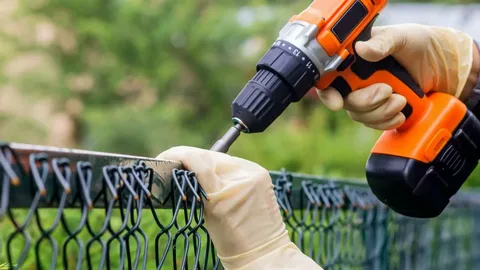
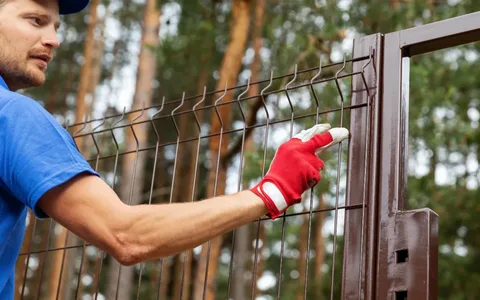
Frame installation follows planning. Steel or aluminum supports are anchored into walls or ground foundations.
Covering installation comes last. Fabric or metal panels are secured tightly to prevent wind uplift and water pooling.
Why do some installations fail during storms? Why do others remain stable for years? The difference comes from anchoring depth and frame alignment.
A real example from River Oaks involved replacing a weak fabric awning with a steel canopy after repeated wind damage. The new structure stayed stable during multiple storm seasons.
Cost factors and permit requirements
Awning and Canopy Installation cost depends on material type, structure size, and design complexity. Steel systems cost more but offer higher durability.
Custom designs require more labor for cutting, welding, and fitting. Fabric systems cost less but require more frequent replacement.
Local building rules in Fort Bend County may require permits for permanent canopy structures. Electrical attachments or large installations may also require inspection approval.
What affects total cost more? Material choice or design complexity? Both factors play a major role, but structure size often has the biggest impact.
How to choose the right canopy contractor
Selecting a contractor for Awning and Canopy Installation requires attention to experience, material knowledge, and local weather understanding.
A good contractor understands wind pressure, drainage flow, and structural anchoring for Texas conditions. This reduces long-term repair needs.
Conclusion
A common mistake is choosing low-cost installers without checking frame quality or anchoring methods. This often leads to early structural failure.A contractor like JB Iron and Fences Pro works with steel fabrication systems designed for outdoor durability and understands local installation requirements better than general installers.What should be checked before hiring? Past project examples, material quality, and structural installation method.
FAQ’s
What is Awning and Canopy Installation used for?
Awning and Canopy Installation is used to create shade and protect outdoor spaces from sun, rain, and wind. It improves comfort for homes, patios, and commercial areas in River Oaks TX.
How long do awnings and canopies last in Texas weather?
Steel-based systems can last 15 to 25 years. Fabric systems last shorter depending on exposure to sunlight, wind, and rain.
What is the cost of Awning and Canopy Installation in River Oaks?
Cost depends on material type, size, and design. Steel systems cost more due to higher strength and longer lifespan.
Do canopy installations require permits in River Oaks TX?
Some permanent canopy structures require permits under Fort Bend County building rules. Large or attached systems may need inspection approval.
Which material works best for strong wind areas?
Steel frames with proper anchoring work best in high-wind zones. Aluminum works for lighter installations but has lower resistance.