An electric gate is designed to provide convenience, security, and smooth daily access. When it starts opening slower than usual, it can quickly become frustrating. A delay of even a few seconds may seem minor at first, but slow gate movement often signals an underlying mechanical or structural issue that should not be ignored.
At JB Iron and Fences Pro, we help diagnose and resolve gate performance issues throughout Pearland, TX. In many cases, slow gate movement is caused by worn components, motor strain, structural misalignment, or metal damage. Understanding the cause helps prevent costly repairs and unexpected system failure.
Common Reasons an Electric Gate Slows Down
Electric gates depend on several moving and structural components working together. If one part becomes damaged or misaligned, overall performance suffers. Hinges, rollers, tracks, weld joints, motors, and support frames all affect opening speed.
Over time, daily use creates wear on these components. Heavy gates are especially vulnerable because the motor works harder during every cycle. Without maintenance, this added strain gradually reduces efficiency and responsiveness.
Gate Frame Damage Can Restrict Movement
A damaged frame is one of the most overlooked causes of slow gate performance. Even minor bending or structural stress can affect gate balance and movement. When the frame shifts, resistance increases and forces the motor to work harder.
Professional gate frame repair restores alignment and improves performance. Cracked welds, bent supports, and weakened joints should be repaired quickly before they cause complete failure or safety issues.
Rust and Corrosion Create Extra Friction
Metal gates constantly face exposure to moisture, heat, and changing weather conditions. Over time, rust can develop around hinges, tracks, rollers, and weld points. Corrosion increases friction and reduces smooth movement.
In Pearland’s humid climate, rust-related problems are common. Without proper maintenance or protective coatings, corrosion can weaken metal structures and reduce the lifespan of your gate system.
Quick Warning Signs Your Gate Needs Service
Slow movement rarely happens without warning. Watch for these early signs of trouble:
- Grinding or scraping sounds
- Gate jerks during movement
- Delayed remote response
- Visible rust near hinges
- Gate stops midway
These symptoms often indicate structural or mechanical stress. Early repairs can prevent major breakdowns and costly replacements.
Motor Overload Is a Serious Concern
The motor is the heart of an electric gate system. It supplies the force needed to move the gate efficiently. If the gate becomes heavier due to structural issues or friction, the motor experiences excessive strain.
Motor overload often results in slower opening times, overheating, or sudden shutdowns. If ignored, the motor may eventually fail. Regular inspections help detect stress before permanent damage occurs.
Gate Hinge Problems Affect Performance
Hinges carry much of the gate’s weight and allow controlled movement. Damaged or loose hinges create imbalance and drag. This extra resistance directly affects gate speed.
Gate hinge welding is often required when hinge supports weaken or crack. Reinforcing damaged hinge areas restores smoother operation and improves structural reliability.
Sliding Gate Fabrication and Track Problems
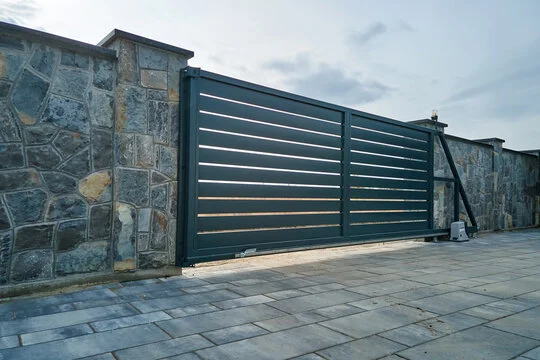
Sliding gates rely heavily on proper track alignment. Even small obstructions or alignment issues can cause noticeable delays. Dirt buildup, bent rails, damaged rollers, and worn guide systems all affect performance.
Professional sliding gate fabrication ensures tracks and structural components remain properly aligned. Correct fabrication improves durability and allows smoother long-term operation.
Repair vs Replacement: Which Makes More Sense?
Not every slow gate requires full replacement. Sometimes targeted repairs are enough.
Repair is best when:
- Frame damage is minor
- Motor still functions well
- Gate structure remains strong
Replacement is better when:
- Structural damage is severe
- The gate frequently breaks down
- Repair costs continue increasing
A professional evaluation helps determine the most cost-effective solution.
Benefits of Professional Gate Welding and Fabrication Services
Choosing professional services provides long-term value and better performance.
- Improved durability: Reinforced welds strengthen structural integrity
- Better performance: Smooth movement reduces motor strain
- Longer lifespan: Quality repairs prevent recurring failures
Professional gate welding and fabrication services ensure every structural component performs reliably under daily use.
Heavy-Duty Gates Need Stronger Reinforcement
Large commercial gates, oversized driveway systems, and industrial entry gates place greater stress on structural joints. These systems often require specialised reinforcement to maintain performance.
Heavy-duty gate repair focuses on restoring strength where stress is highest. Reinforcement prevents sagging, cracking, and alignment issues that slow movement over time.
Structural Welding Improves Gate Stability
Weak joints and worn weld points often cause gradual structural shifting. This movement may not be obvious initially, but it affects alignment and increases friction.
Gate reinforcement welding and structural metal fabrication strengthen critical stress points. Reinforced structures improve balance, reduce wear, and support smoother gate operation.
Custom Iron Gates Require Precision Maintenance
Decorative gates often feature detailed metalwork and ornamental designs. While visually appealing, these systems still require structural integrity to function properly.
Whether you own ornamental iron gates or need custom ironwork services, regular inspections help protect both appearance and performance. Proper maintenance prevents cosmetic deterioration from becoming structural damage.
Aluminium Gate Systems and Lightweight Benefits
Many property owners choose aluminium gates because they resist rust and reduce motor workload. Lightweight materials improve efficiency while maintaining durability.
Aluminium gate fabrication offers an excellent balance of strength and performance. These gates typically require less maintenance and place less stress on automatic opening systems.
Why Choose JB Iron and Fences Pro
JB Iron and Fences Pro has built a Strong Reputation in Pearland, TX, for reliable metal fabrication and gate repair solutions. We combine technical expertise, quality craftsmanship, and customer-focused service to deliver results built to last.
From canopies and commercial metal stairs to custom gates and fencing, our team understands structural metalwork at every level. We provide honest recommendations, durable repairs, and precision fabrication tailored to your needs.
Schedule Your Service Today
A slow electric gate is more than an inconvenience. It often signals structural wear, mechanical stress, or hidden damage that will worsen over time. Addressing problems early helps avoid expensive failures.
Contact JB Iron and Fences Pro today for expert gate inspections, repairs, and fabrication services in Pearland, TX. Our experienced team is ready to restore safe, smooth, and dependable gate performance.
Conclusion
A slow-opening electric gate is usually caused by motor strain, rust, damaged hinges, structural shifting, or worn tracks. While the issue may begin small, ignoring it often leads to major repairs or complete system failure.
JB Iron and Fences Pro provides trusted gate welding and fabrication services in Pearland, TX. From structural reinforcement to complete gate repairs, we deliver durable solutions that improve performance, security, and long-term reliability.
FAQs
Why is my electric gate opening slower than before?
Slow gate movement is often caused by rust, motor strain, worn hinges, damaged tracks, or structural misalignment. A professional inspection can identify the exact issue.
Can damaged welds affect gate performance?
Yes. Cracked or weakened welds reduce structural stability and create alignment problems, which can cause slower or uneven movement.
How often should electric gates be inspected?
Most gates benefit from professional inspection every 6 to 12 months. Routine maintenance helps detect wear before it becomes costly.
Is aluminium better than iron for automatic gates?
Aluminium is lighter and more resistant to rust, while iron offers greater strength and decorative appeal. The right choice depends on your needs.
When should a gate be replaced instead of repaired?
Replacement is recommended when structural damage is severe, repairs become frequent, or the system becomes unreliable despite maintenance.