Learn how structural welding in River Oaks, TX supports metal repairs, custom fabrication, reinforcement, gates, stairs, carports, canopies, and steel structures.
Metal structures depend on accurate measurements, stable connections, suitable materials, and properly completed welds. A cracked gate frame, weakened stair component, damaged railing, or failing support may look like an isolated problem, but the surrounding metal should also be inspected before repairs begin. JB Fences provides structural welding, custom metal fabrication, fencing, gates, carports, canopies, and related metalwork for residential and commercial properties throughout the Houston area. Welding projects can involve creating completely new structures, repairing existing components, strengthening weak sections, or fabricating pieces that cannot be purchased in standard sizes. Property owners in River Oaks, Houston, and surrounding areas should consider the purpose of the structure, the type of metal, existing corrosion, alignment, load, and how the finished component will be used. This guide explains structural welding, fabrication, metal repairs, reinforcement, mobile welding, preparation, and practical considerations before starting a residential or commercial welding project.
What Structural Welding Services Include
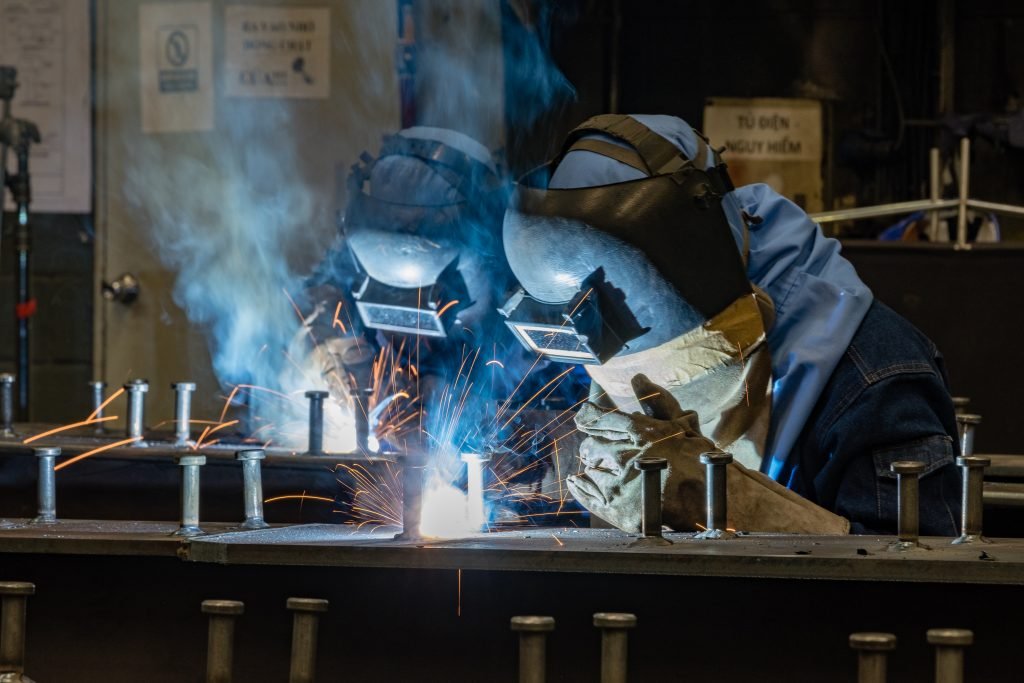
Professional structural welding can involve steel structures, custom fabrication, on-site repairs, structural reinforcement, gates, stair frames, security features, carports, canopies, and decorative metalwork.
Some projects begin with completely new material. Measurements are taken, metal is cut and fitted, and individual pieces are welded into the required structure.
Other projects focus on existing metalwork. A cracked joint, bent frame, loose support, or deteriorated section may need to be repaired or reinforced.
The approach should depend on the actual condition of the metal. Adding a new weld over a damaged area without evaluating corrosion, alignment, or the original cause of failure may provide only a temporary correction.
Material type also matters. Steel, stainless steel, and aluminum have different characteristics and may require different preparation and welding methods.
Why Metal Preparation Matters Before Welding
Successful welding begins before the welding equipment is used.
Paint, rust, grease, dirt, old coating material, and damaged metal can interfere with preparation. The joint area may need cleaning, grinding, cutting, shaping, or other work before the pieces can be connected correctly.
Alignment is equally important. Components that are twisted or incorrectly positioned should not simply be welded where they happen to sit. The finished connection needs to support the intended shape and function of the structure.
Checking the Existing Metal
For repair projects, the surrounding metal should be evaluated for corrosion, cracking, thinning, distortion, and previous repairs.
A visible crack may extend beyond the area that is easiest to see. If nearby metal has also weakened, repairing only the visible portion may not address the full condition.
Preparing a New Fabrication
New fabrication depends on accurate measurements and fit.
Posts, frames, stairs, brackets, gates, and supports must fit the actual property rather than relying only on approximate dimensions. Small measurement errors can create larger alignment problems when the finished component is installed.
Structural Welding in River Oaks, TX
Property owners looking for structural welding in River Oaks, TX may need welding for gates, railings, stairs, carports, canopies, custom ironwork, supports, frames, or other metal structures.
Residential properties may require metalwork that combines strength with appearance. Decorative gates, railings, balconies, handrails, and other visible features should fit the design of the property while remaining functional.
Existing components can also require repair. Gate frames may begin sagging, railings can loosen, or metal connections can develop cracks after repeated use.
The cause should be evaluated before a repair is completed. For example, a cracked gate frame may be affected by worn hinges, unstable posts, poor alignment, or repeated impact. Repairing the crack without correcting the related condition may allow the problem to return.
Custom fabrication can be useful when standard components do not fit an existing opening or design. Measurements can be taken from the actual location so the finished metalwork fits the intended area more accurately.
Structural Welding Services in Houston, TX
JB Fences’ dedicated Houston area page supports custom metalwork, railings, carports, staircases, gates, repairs, and other fabricated metal structures.
Residential and commercial property owners considering Best Structural welding services in Houston, TX may require either new fabrication or repair of metal that is already installed.
Commercial properties can have different requirements from residential projects. Metal stairs, security gates, railings, equipment supports, frames, and other heavily used components may experience repeated movement or loading.
Access and work scheduling can also affect commercial welding. A repair near a business entrance, parking area, loading zone, or occupied workspace may need to be coordinated around normal property operations.
On-site evaluation helps determine whether the component can be repaired where it is installed or whether portions need to be fabricated separately before final installation.
The overall goal should be a structure that fits correctly, operates as intended, and addresses the actual source of any existing damage.
Custom Metal Fabrication for Unique Projects
Standard metal components do not fit every property.
Custom fabrication combines measuring, cutting, shaping, fitting, welding, and finishing to create a component for a specific location or purpose.
Projects may include custom gate frames, brackets, support structures, railings, stairs, carport framing, canopy components, decorative metal features, and other one-of-a-kind assemblies.
Measurements should account for the surrounding structure. A new railing may need to connect with concrete steps, while a gate frame needs to fit between posts with enough clearance for proper movement.
Fabrication planning should also consider how the completed component will be installed.
A metal part that looks correct during fabrication can still create problems if mounting points, clearances, or surrounding structures were not measured correctly.
Appearance can be important for visible residential metalwork, but strength and proper fit should come first. Grinding, smoothing, coating preparation, and finishing can then help the new piece blend with the property.
Repairing and Reinforcing Existing Metal Structures
Not every damaged metal component needs complete replacement.
Localized cracks, broken connections, damaged brackets, or weakened joints may sometimes be repaired when enough sound material remains.
The contractor should first determine why the damage developed.
Corrosion, repeated movement, impact, excessive loading, poor alignment, or a previous weak connection can all contribute to failure.
Some repairs may require reinforcement in addition to welding. Plates, brackets, gussets, or additional metal sections can sometimes be added where the structure requires more support.
Reinforcement should be planned around how forces move through the complete structure. Simply adding more metal to one location does not automatically make the entire assembly stronger.
If corrosion or deformation is widespread, replacing the affected component may make more sense than repeatedly welding deteriorated material.
Welding for Gates, Stairs, Railings, and Outdoor Structures
Structural welding can support many different features around residential and commercial properties.
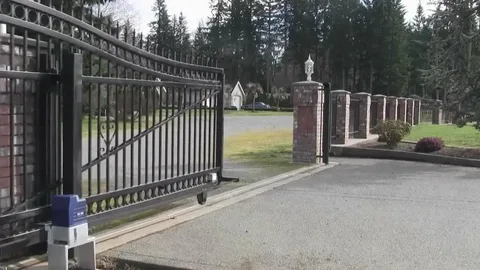
Metal gates experience repeated movement every time they open and close. Hinges, frames, brackets, rollers, and supporting posts need proper alignment so operating forces are not concentrated in weak areas.
Stairs and railings deserve careful evaluation because they are regularly used for access and support. Loose railings, cracked connections, bent stair components, or movement around supports should be inspected before the problem becomes more extensive.
Carports and canopies depend on frames and connections that remain exposed to outdoor conditions. When a welded connection develops visible rust, cracking, or movement, nearby components should also be checked.
Custom metal features may combine decorative and structural requirements. The finished design should consider how the component is supported, where it connects to the property, and whether future maintenance remains possible.
Mobile Welding and On-Site Repairs
Some metal structures are too large or permanently installed, making transportation to a fabrication shop impractical.
Mobile welding allows suitable repairs and fabrication work to be performed at the property.
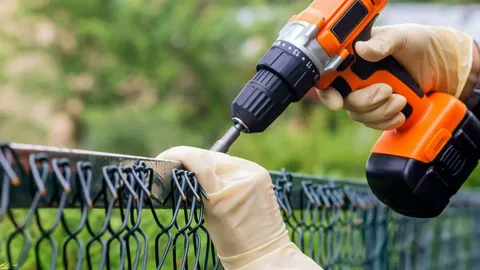
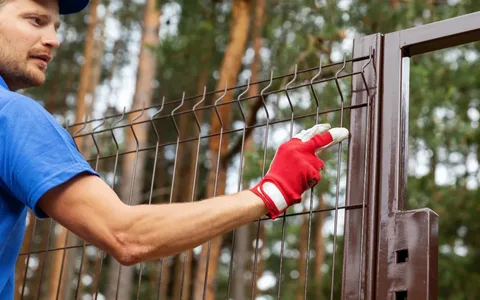
Gates, railings, fences, stairs, frames, carports, and other installed components may be candidates for on-site service depending on access and project conditions.
The work area needs to be prepared before welding begins. Vehicles, furniture, landscaping materials, stored items, and other objects may need to be moved away from the immediate work zone.
The same attention to preparation and alignment should apply to mobile welding as shop work.
On-site service should not mean placing a quick weld over an unprepared surface. Rust, paint, damage, and alignment still need to be evaluated before the connection is repaired.
Protecting Outdoor Metal After Welding
Outdoor metal remains exposed to moisture, sunlight, dirt, and other environmental conditions.
After welding and fabrication are complete, bare metal may need suitable finishing or coating preparation to reduce direct exposure.
Existing painted structures should also be monitored for areas where coatings have chipped, cracked, or worn away.
Corrosion often begins where bare metal is repeatedly exposed. Addressing small areas early can make ongoing maintenance easier.
Property owners should also inspect moving components such as gates and hinges. A structural repair can be affected if the surrounding hardware remains loose or out of alignment.
Cleaning debris from metalwork and checking visible connections periodically can help identify changes before larger sections are affected.
Repair or Replace Damaged Metal?
The decision depends on how much usable material remains and why the structure has failed.
A localized crack in otherwise sound steel may be repairable. A damaged bracket or individual frame section may also be replaced without rebuilding the complete structure.
Replacement becomes more appropriate when corrosion affects a large portion of the metal, repeated repairs continue failing, or significant distortion has changed the shape of the component.
The surrounding structure matters as well.
Replacing one damaged gate section will not solve a problem caused by unstable support posts. Welding a railing connection will not provide a lasting improvement if several other attachment points are also loose.
A contractor should explain which material can remain, which sections require repair, and whether reinforcement is necessary.
Making the decision from the complete condition of the structure can reduce repeated repairs to the same underlying problem.
Choosing a Structural Welding Contractor
Property owners should understand the welding scope before work begins.
Ask what material is being repaired or fabricated and whether corrosion, deformation, or previous repairs affect the project.
For custom work, measurements and installation conditions should be confirmed before fabrication begins.
For repairs, ask what likely caused the failure. The answer can help determine whether welding alone is sufficient or whether alignment, reinforcement, hardware, or supporting components also require attention.
The project scope should explain whether work includes fabrication, repair, reinforcement, installation, surface preparation, or finishing.
When mobile welding is required, confirm how the work area should be prepared before the appointment.
Clear planning helps ensure that the completed welding work addresses both the visible metal problem and the way the structure is expected to function afterward.
Conclusion
Structural welding can support new fabrication, repair damaged metal, reinforce existing structures, and create custom components for residential and commercial properties.
For property owners in River Oaks and Houston, successful welding begins with understanding the material, condition, alignment, and purpose of the structure before any repair or fabrication is completed.
Gates, stairs, railings, carports, canopies, frames, and other metal structures may each require different preparation and installation methods. Existing damage should also be evaluated for corrosion, movement, or support problems instead of treating every crack as an isolated defect.
Accurate measurements, proper metal preparation, sound connections, suitable reinforcement, and appropriate finishing all contribute to better long-term results.
By basing the project on the actual condition and function of the metalwork, property owners can make better decisions about whether repair, reinforcement, custom fabrication, or replacement is the appropriate solution.
Frequently Asked Questions
What types of projects can structural welding handle?
Structural welding may be used for gates, frames, stairs, railings, carports, canopies, supports, brackets, custom fabrication, repairs, and other residential or commercial metal structures.
Can cracked metal be repaired with welding?
Often, but the surrounding metal should first be checked for corrosion, distortion, thinning, alignment problems, and the cause of the original crack.
Can structural welding be completed at my property?
Many projects can be handled with mobile welding when the structure is fixed in place and the work area provides suitable access and working conditions.
When does damaged metal need reinforcement?
Reinforcement may be considered when a connection requires additional support or when the original area has repeatedly experienced stress. The complete structure should be evaluated before reinforcement is added.
Can a sagging metal gate be repaired through welding?
Sometimes. The gate frame may require welding or reinforcement, but hinges, posts, alignment, and other supporting components should also be inspected.
When should metal be replaced instead of welded?
Replacement may be more appropriate when corrosion is extensive, the component is badly distorted, previous repairs repeatedly fail, or insufficient sound metal remains for a dependable repair.