Learn how fence installation and repair in Katy, TX can improve privacy, security, property boundaries, appearance, and long-term fence performance.
A fence can define property lines, improve privacy, add security, and change the overall appearance of a residential or commercial property. However, a reliable fence depends on much more than choosing panels and placing posts around a yard. JB Fences provides fencing, automatic gates, structural welding, carports, canopies, and custom metalwork for properties throughout the Houston area. Fence projects may involve wood, chain-link, wrought iron, decorative metal, pool barriers, or custom designs, depending on the property’s needs. Homeowners and businesses in Katy, Cypress, and nearby communities should consider ground conditions, gate placement, drainage, fence height, material maintenance, and the intended purpose of the enclosure before installation begins. Existing fences also need evaluation when posts lean, panels loosen, gates sag, or materials become damaged. This guide explains fence materials, installation planning, common repair needs, gate considerations, maintenance, and what property owners should review before starting a fencing project.
Start With the Purpose of the Fence
The best fence design depends on what the property owner wants the enclosure to accomplish.
Privacy and Residential Boundaries
Homeowners may want fencing to create a more private backyard, separate outdoor areas, or establish a clear boundary between neighboring properties.
Wood privacy fencing can create a solid visual barrier, while decorative metal fencing can define an area without completely blocking the view.
The layout should account for gates, driveways, landscaping, utility locations, and normal movement around the property.
Security and Commercial Use
Businesses may prioritize perimeter control, durable materials, visibility, or controlled access.
Chain link and metal fencing can be practical around commercial spaces, storage areas, equipment yards, and other properties where clear boundaries are important.
Professional fence installation and repair can include wood fencing, chain link systems, pool fencing, custom metal designs, repairs, and replacement of damaged sections.
Choosing the Right Fence Material
Fence materials differ in appearance, maintenance requirements, privacy, and the types of properties they suit.
Wood Fencing
Wood fencing is commonly used around residential yards because it can provide substantial privacy and a traditional appearance.
Boards, rails, posts, gates, and fasteners all influence how the finished fence performs.
Wood is an outdoor material, so homeowners should also consider routine care and the condition of components near the ground.
Chain Link Fencing
Chain link fencing creates a defined barrier while maintaining visibility through the fence.
It can work well around yards, commercial properties, storage areas, and other locations where function and clear boundaries are priorities.
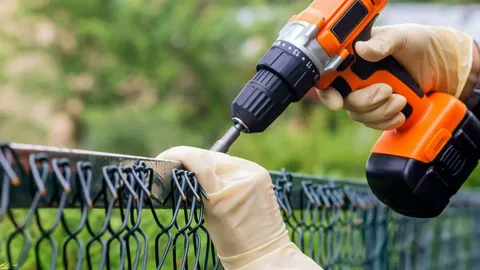
Proper tension, post placement, and gate alignment help the system remain stable.
Wrought Iron and Metal Fencing
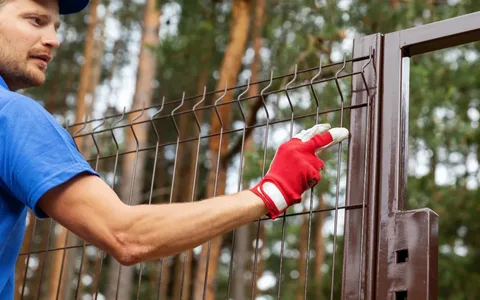
Decorative metal fencing can provide a more open appearance while creating a strong property boundary.
Metal designs may be used around homes, businesses, pools, entrances, and landscaped areas.
The design should be coordinated with gates, posts, nearby structures, and other metal features around the property.
Why Fence Posts Matter So Much
Fence panels receive most of the visual attention, but the posts provide the support that keeps the system upright.
Correct Post Alignment
Posts need consistent placement so fence sections remain straight and properly supported.
Poor alignment can create uneven panels, difficult gate installation, or visible changes along long fence runs.
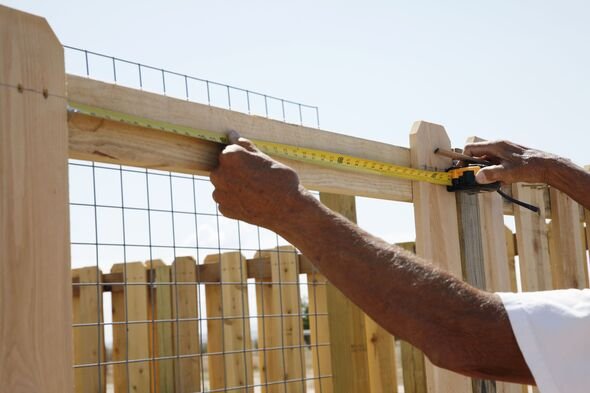
Measurements should account for property layout before permanent post placement begins.
Stable Post Support
Ground conditions and the weight of the fence influence how posts need to be supported.
A tall privacy fence can experience different forces from a lower open-style metal fence.
If existing posts are loose or leaning, simply attaching new panels may not correct the underlying stability problem.
Repairing Individual Posts
An otherwise usable fence may have only one or two damaged support points.
When surrounding sections remain in suitable condition, repairing or replacing individual posts may restore stability without rebuilding the complete fence.
Planning Gates as Part of the Fence
A gate should be treated as part of the original fence layout instead of an opening added after the rest of the fence is finished.
Choose Practical Gate Locations
Gates should be positioned where people, lawn equipment, vehicles, or service providers actually need access.
A narrow gate may work for normal pedestrian use, while larger equipment or driveway access requires more clearance.
Homeowners should think about future use rather than only current needs.
Prevent Gate Sagging
Gate frames place additional load on hinges and supporting posts.
The gate size, material, hardware, and post strength should work together.
A gate that begins dragging or becomes difficult to latch may have hinge, frame, or post alignment problems.
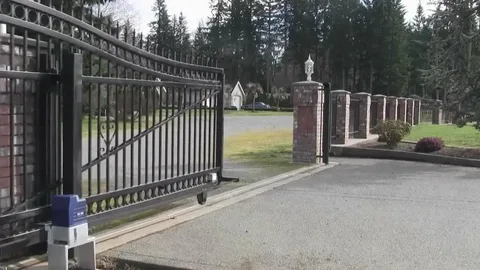
Coordinate With Automatic Gate Plans
If an entrance may eventually use gate automation, that possibility should be considered during the fence and gate design stage.
Gate weight, opening space, structural support, electrical access, and surrounding layout can all affect future automation options.
Fence Installation Services in Katy, TX
The Katy location page specifically lists fence installation and repair for wrought iron, metal, chain link, and custom fencing on both residential and commercial properties.
Property owners considering fence installation services in Katy, TX should begin by identifying the fence’s main purpose and reviewing the entire proposed layout.
Residential Fence Projects
Homeowners may need a privacy fence around a backyard, a decorative fence near the front of a home, or a secure enclosure for another outdoor area.
The fence should work with landscaping, patios, driveways, gates, and other permanent property features.
Material selection should also reflect how much ongoing maintenance the homeowner wants to manage.
Commercial Fence Projects
Commercial fencing may be used to define property lines, secure work areas, control access, or separate customer spaces from operational areas.
The layout should consider deliveries, employee movement, parking, gates, and any equipment that regularly enters the property.
A fence that interferes with daily operations can create problems even when it is structurally strong.
Fence Installation and Repair in Cypress, TX
JB Fences’ Cypress location page also supports new fence installation, repairs, custom ironwork, and fencing for residential and commercial properties.
Property owners planning fence installation and repair in Cypress, TX should evaluate whether the project requires a completely new system or targeted work on an existing fence.
Repairing Existing Fencing
A fence may remain generally usable while developing isolated problems such as damaged boards, loose rails, leaning posts, or gate issues.
Targeted repair can make sense when most of the system remains stable.
The contractor should still inspect nearby sections to determine whether the visible damage is isolated or part of a larger condition.
Replacing Widespread Damage
If many posts are unstable or large portions of the fence have deteriorated, repeated small repairs may become less practical.
Replacement can provide an opportunity to correct layout, material, or gate problems at the same time.
The decision should be based on the actual condition of the fence rather than automatically assuming every damaged section requires a complete rebuild.
Common Fence Repair Problems
Fence damage can develop gradually or appear after a single event.
Leaning Fence Sections
Leaning can result from loose posts, soil movement, damaged supports, or pressure on the fence.
Repairing only the visible panel may not work if the supporting post is the actual problem.
Broken Boards or Panels
Individual wood boards, chain link sections, or metal components may sometimes be replaced when the surrounding structure remains sound.
Replacement materials should fit the existing system as closely as practical.
Gate Alignment Problems
A gate that does not close properly may have loose hinges, a damaged frame, post movement, or alignment trouble.
Adjusting the latch alone may provide only temporary improvement when the gate structure itself has shifted.
Fence Layout and Property Planning
A fencing project should account for the surrounding property before installation begins.
Confirm the Intended Boundary
Property owners should be confident about where the fence is meant to run before posts are permanently installed.
Existing landscaping, neighboring fences, driveways, walkways, and structures can affect the proposed layout.
Consider Drainage
Fence construction should not unnecessarily interfere with normal water movement around the property.
Low areas, drainage routes, and slopes can influence both post installation and the clearance below certain fence sections.
Plan Around Landscaping
Trees, shrubs, roots, retaining features, and garden areas may affect fence placement.
Leaving appropriate access around vegetation can make future landscape maintenance easier and reduce pressure on the fence as plants grow.
Maintaining a Fence After Installation
Regular observation can help property owners identify problems before they affect larger sections.
Check Posts and Hardware
Look for leaning posts, loose fasteners, damaged hinges, or sections that have changed alignment.
Early repairs can sometimes prevent one weak area from placing stress on connected panels.
Keep Vegetation Managed
Heavy vines, branches, or uncontrolled plant growth can place pressure on fencing.
Keeping vegetation reasonably managed also makes the fence easier to inspect.
Watch Gates Closely
Because gates move regularly, they can show alignment problems sooner than stationary fence sections.
Dragging, difficulty latching, unusual movement, or loose hardware should be investigated rather than repeatedly forced into position.
Choosing a Fence Contractor
Property owners should understand exactly what will be installed or repaired before work begins.
Discuss Materials and Layout
Ask which material is recommended and how it fits the property’s goals.
The contractor should also explain gate locations, post layout, and any property conditions that influence the design.
Review Repair Versus Replacement
For an existing fence, ask which parts can remain and which components need replacement.
A clear explanation can help avoid replacing usable sections or repeatedly repairing areas that are already widely deteriorated.
Confirm the Full Project Scope
Understand whether the work includes posts, panels, gates, hardware, removal of damaged materials, and other related tasks.
A defined scope helps keep expectations clear from the beginning of the project.
Conclusion
Fence installation and repair can improve privacy, security, property definition, and the appearance of residential and commercial outdoor spaces. A dependable fence begins with choosing the right material, planning the layout carefully, installing stable posts, and positioning gates around real access needs.
For property owners in Katy and Cypress, wood, chain link, wrought iron, metal, and custom fence designs provide different options depending on privacy, visibility, maintenance, and security goals.
Existing fences should also be evaluated as complete systems. A loose panel may be a simple repair, while repeated leaning, unstable posts, or widespread deterioration can indicate that larger sections need attention.
By planning around property boundaries, drainage, gates, landscaping, and long-term maintenance, homeowners and businesses can create fencing that remains functional instead of focusing only on how the finished panels look.
Frequently Asked Questions
What type of fence is best for privacy?
Wood privacy fencing is a common option because solid boards can reduce visibility into a yard. The best choice still depends on the property’s layout, appearance goals, and maintenance preferences.
Can individual fence posts be repaired or replaced?
Yes, when damage is limited and surrounding sections remain in suitable condition. The contractor should determine whether the post problem is isolated before completing the repair.
Why is my fence starting to lean?
Leaning may result from loose posts, soil movement, damaged supports, or pressure on the fence. The supporting components should be inspected rather than correcting only the visible panel.
Can an existing fence gate be repaired?
Many gate problems involving hinges, frames, latches, or alignment can be repaired. The gate posts should also be checked because movement there can affect how the gate operates.
When should a fence be replaced instead of repaired?
Replacement may make more sense when deterioration affects many posts, rails, panels, or other major components and localized repairs no longer provide dependable performance.
What should I consider before installing a new fence?
Consider the fence’s purpose, material, property layout, gate locations, drainage, landscaping, access needs, maintenance expectations, and the condition of surrounding outdoor features.